How does a biochemistry analyzer test for blood lipids | Medical Diagnosis

release time:2021-09-02 12:03:56

High blood lipids can cause a number of diseases that are harmful to human health. Like atherosclerosis, coronary heart disease, pancreatitis and so on. Biochemical analyzers are used clinically to test blood glucose and blood lipids in order to make judgments about some indicators in the body.

Biochemistry is able to test total cholesterol (CHO), triglyceride (TG), high-density lipoprotein cholesterol (HDL-C), low-density lipoprotein cholesterol (LDL-C) and other items related to blood lipids. The biochemistry analyzer enables an all-round understanding of blood lipid levels with accuracy and credibility.

Principle of biochemical instrument for measuring blood lipids

Biochemistry analyzer is an instrument that measures a specific chemical composition in body fluid according to the photoelectric colorimetric principle. It is mainly for the testing of liver function, kidney function, blood sugar and blood lipids.

Principle of biochemistry analyzer

The monochromator divides the complex light from the light source into monochromatic light, and the monochromatic light of a specific wavelength passes through the colorimetric cell containing the sample solution, and the photoelectric converter converts the transmitted light into an electrical signal and sends it to the signal processing system for analysis.

Spectrophotometry is a method established based on the selective absorption of electromagnetic radiation by substances with different molecular structures. It belongs to molecular absorption spectroscopy analysis. When light passes through a solution, the molecules of the substance under test absorb monochromatic light of a certain wavelength. The intensity of the absorbed light is proportional to the distance through which the light passes.

Portable biochemical analyzers

Biochemical instruments mainly include fully automatic biochemical analyzers and semi-automatic biochemical analyzers. Portable biochemical analyzers have fast detection speed and are priced for use in primary care units. It has a very high share in the market and is the optimal choice for biochemical testing in hospitals.
Prev Return Next

Related Reading

Buying Guide of Affordable Chemistry Analyzers in 2025

2025-02-11

Discover cheap chemistry analyzers for 2025. Our buying guide explores top models like Mindray BA 88A, Microlab ARX 199, and Seamaty SMT70A. Find reliable performance without breaking the bank.
6 types of analyzer equipment | Hematology Analyzer | Blood Coagulation Analyzer | Urine Analyzer

2021-09-26

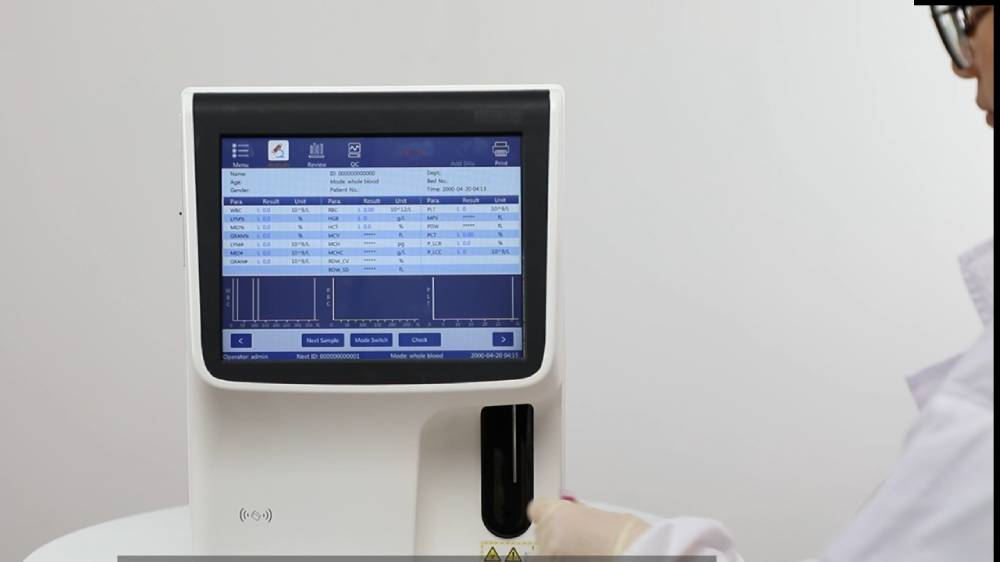
A hematocrit analyzer is a device used to perform a complete blood count (CBC) or hemogram. It allows quantitative and qualitative analysis of the elements formed in the blood. Examples include red blood cells, white blood cells and platelets. Blood cell analyzers are mainly used in medical analysis laboratories or hospitals with hematology departments.
Biochemistry Analyzers And Hematology Analyzers | Similarities and Differences

2021-08-30

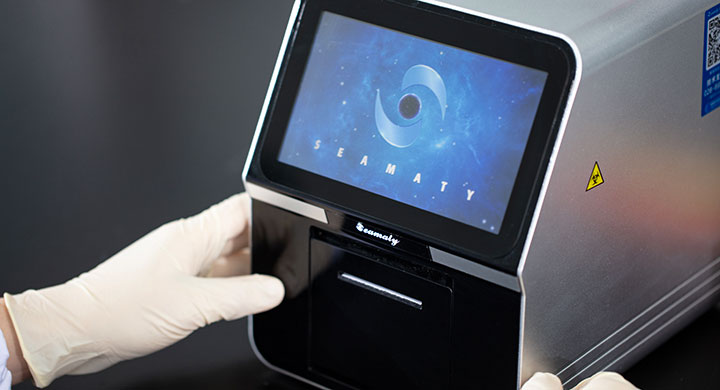
Biochemistry analyzers and hematology analyzers are two different instruments with different properties and categories. However, there is overlap in their testing programs. The hematology analyzer can replace the traditional biochemistry analyzer to determine blood potassium, blood sodium, blood glucose and total blood carbon dioxide, but there are differences in the results of blood potassium and total blood carbon dioxide.