release time:2022-01-13 17:19:00

Potassium oxalate can generate calcium oxalate precipitation with calcium ions in blood, thus preventing blood clotting. Potassium oxalate has high solubility and strong anticoagulant effect. Fluoride ion can bind calcium and anticoagulate, but the anticoagulant effect is weak. Fluoride ion can inhibit enolase in glycolysis and prevent glycolysis. Without the addition of sodium fluoride, the glucose content of the blood specimen will be degraded at a rate of 6% per hour. In contrast, in the presence of sodium fluoride, the glucose concentration is stable for 24 hours at 25°C and 48 hours at 4°C. Therefore, potassium oxalate-sodium fluoride is a common anticoagulant for blood glucose determination specimens.
EDTA and its salt is an amino polycarboxylic acid, which can effectively chelate the calcium ions in blood specimens. Chelation of calcium or removal of calcium from the reaction site will block and terminate the endogenous or exogenous coagulation process, thus preventing blood specimens from coagulating. It is indicated for general hematology testing. Not suitable for coagulation test and platelet function test, also not suitable for calcium ion, potassium ion, sodium ion, iron ion, alkaline phosphatase, creatine kinase and leucine peptidase determination and PCR test. anticoagulation concentration of EDTA is 3.4~4.8 mmol/L whole blood.
2023-06-16
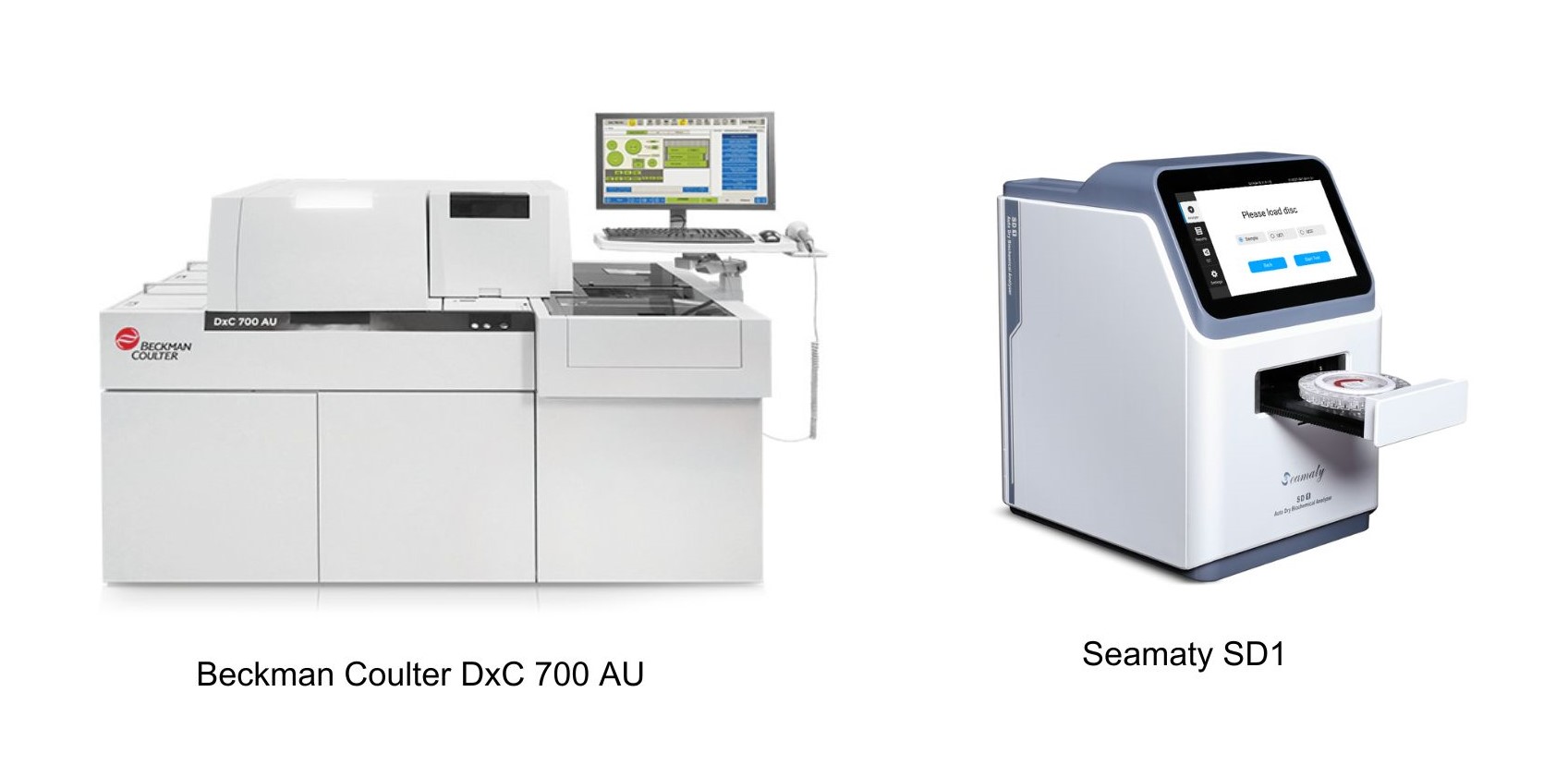
Discover the ideal chemistry analyzer for small labs: Seamaty SD1 vs. DxC 700 AU. Find out why the Seamaty SD1 excels with its smaller sample size, accuracy, speed, and ease of use. Make informed decisions for efficient and cost-effective diagnostics.
2022-01-25
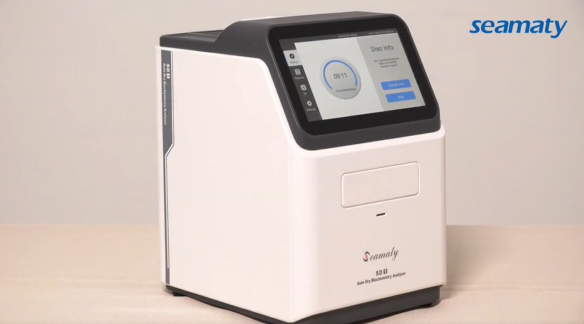
Here are some examples of test instruments commonly used in medical testing laboratories, some very basic consumables and supporting equipment. Hope to help you buy laboratory equipment.
2021-12-29
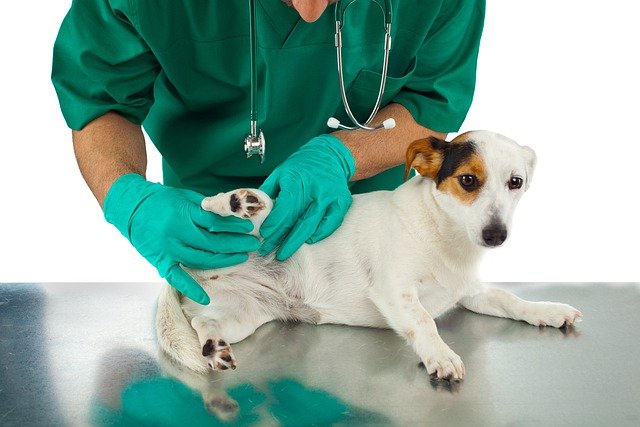
Veterinary biochemical testing is the testing of multiple chemical components within a sample. The levels of these chemicals reflect many conditions in various organs of the body. Most veterinary biochemical tests measure blood electrolytes and assist in the diagnosis of liver, kidney and pancreatic disease.