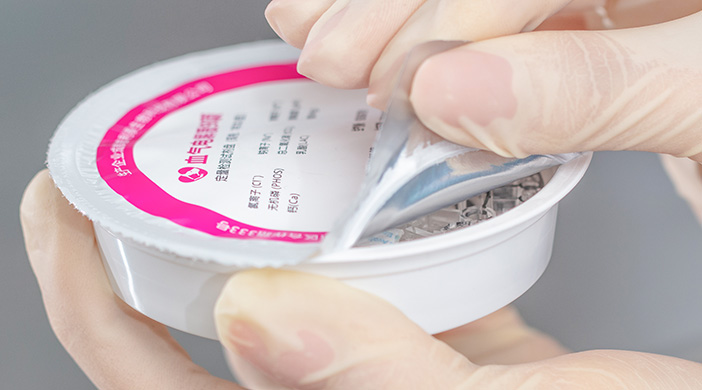
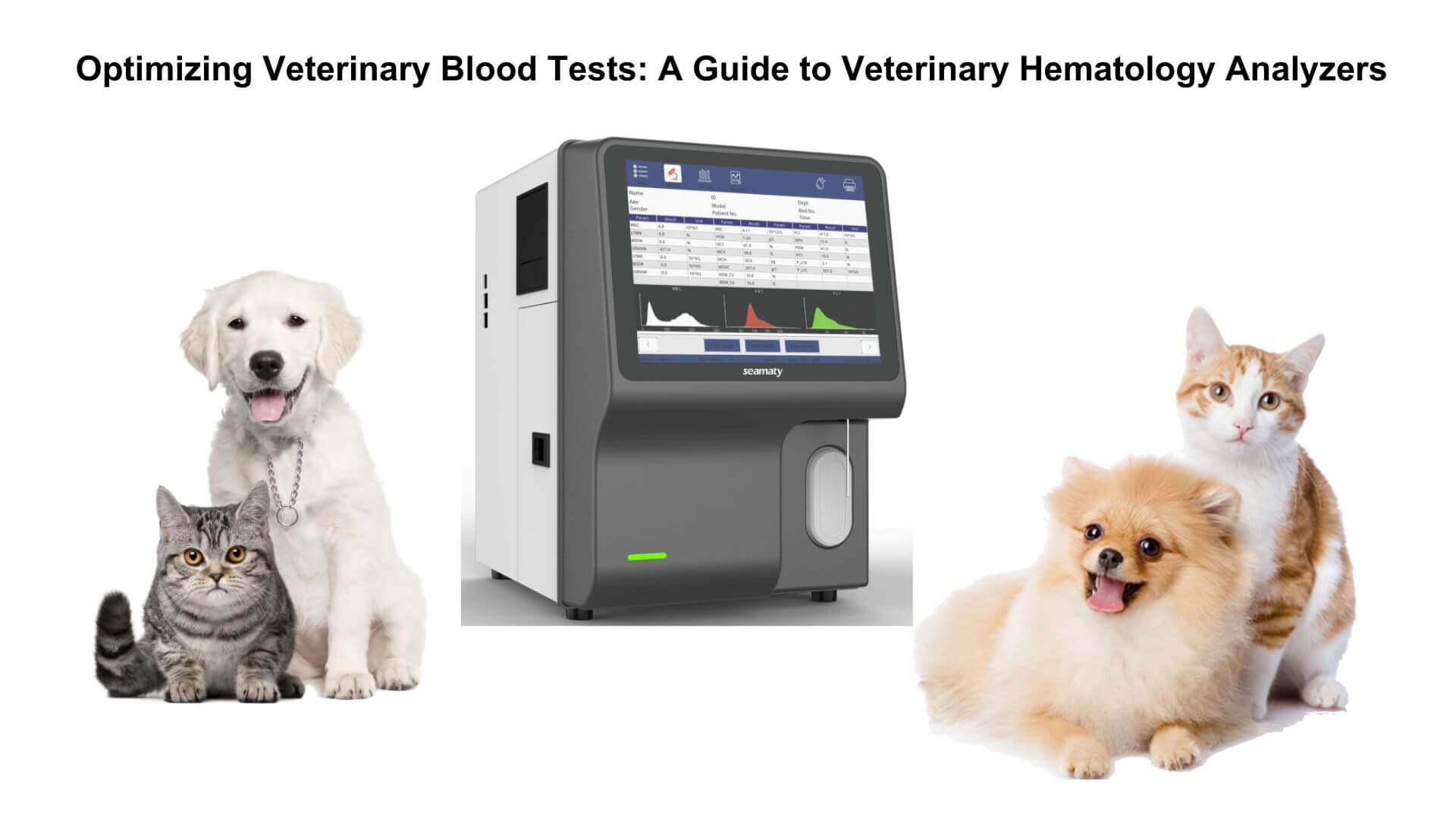
There are many biochemical tests for animals, and many people have doubts about the clinical significance of these biochemical tests. This article uses Seamaty's vet reagent kit "24 Comprehensive Test Plus" as an example to explain the clinical significance of several major biochemical tests.
This reagent kit with the most comprehensive parameters cover multiple biochemical groups such as liver, kidney, pancreas, myocardium, ion, protein, and metabolism , and can help veterinarians to diagnose diseases in all aspects. It is often used for comprehensive test of disease and health. It is a cost-effective reagent kit for veterinary hospitals and pet owners.
This Biochemical kits contains ALB ALP ALT AMY AST Ca CK Crea GLU GGT LDH LPS PHOS TBA TB TC tCO2 TG TP BUN UA A/G* B/C* GLOB* parameters.
Changes in all indicators represent different biochemical meanings. I'll introduce you to what a few common biochemical items represent.
1. ALB
When ALB levels in the blood are increased, it is usually due to the following causes.
-
(1) Hypoalbuminemia: common in hematoconcentration due to factors such as dehydration (severe diarrhea, vomiting and polyuria).
-
(2) Sample abnormalities, etc.
Conversely, when its level decreases, the animal usually presents with
-
(1) generative factors: a. lack of amino acid sources or absorptive factors; b. common in liver injury; c. hyperglobulinemia.
-
(2) Protein loss and catabolic factors: renal disease, acute or chronic hemorrhage, peritonitis, chronic infection, hyperthyroidism, etc.
-
(3) Hemodilution after massive infusion.
2. ALP
Increased levels of ALP in the blood are usually due to
-
(1) Diseases of the hepatobiliary system: common in hepatic cholestasis, tumors, acute hepatocellular injury, hyperadrenocorticism, diabetes mellitus, acute pancreatitis, etc.
-
(2) Drug factors: steroids, antiepileptic drugs.
-
(3) Juvenile bone growth period, breed or individual factors.
-
Decreased ALP levels are mostly seen in zinc deficiency, hypothyroidism, misuse of EDTA anticoagulation tubes or individual factors
3. CK
Increased CK levels may be due to.
(1) Skeletal muscle disease: seen in muscle injury, myositis necrosis, surgery, intramuscular injections, snake bites, cat anorexia, rhabdomyolysis after intense exercise or polymyositis (common in schnauzers).
(2) Myocardial injury and necrosis, inflammation or necrosis of the cerebral cortex, and decreased thyroid function.
(3) Juvenile physiological high, stress (obvious in cats), artificial hemolysis, etc.
4. Ca
Excessive Ca levels are usually caused by the following
-
(1) Increased intake: excessive intake, medical supplementation.
-
(2) tumors.
-
(3) hyperparathyroidism.
-
(4) hyperaldosteronism or renal failure.
-
(5) Bone damage.
-
(6) physiological elevation during the growth period, etc.
Low Ca levels may be due to
-
(1) Inadequate intake of calcium and VD.
-
(2) hypoproteinemia.
-
(3) acute or chronic renal failure.
-
(4) hypothyroidism and hypercalcemia.
-
(5) acute pancreatitis, acute azotemia.
-
(6) Productive activity.
-
(7) misuse of EDTA anticoagulation tube test, etc.
5. GLOB*
Elevated levels of GLOB* in the blood indicate that the organism may be experiencing
-
(1) Increased alpha globulin: acute inflammation, kidney disease, liver disease, fever, trauma, parasites, etc.
-
(2) Increased beta globulin: nephrotic syndrome, neoplasia, fracture, acute hepatitis, cirrhosis, septic dermatitis, severe parasites, etc.
-
(3) Increased gamma globulin: chronic antigenic stimulation, lymphosarcoma, multiple myeloma, etc.
-
When GLOB* is decreased, it is usually due to the following reasons.
-
(1) Generative decrease: common in generative diseases such as liver and blood.
-
(2) Lossy and catabolic: serum loss due to acute or chronic bleeding, hemolytic anemia, protein-losing enteropathy and nephropathy, burns, etc.
-
(3) bacterial and viral infections, some lymphosarcomas, newborn animals lacking colostrum, autoimmune diseases, etc.
These are the clinical significance of several major tests of the vet reagent kit "24 Comprehensive Test Plus". We hope you find it helpful.