release time:2024-08-13 09:21:36
A handheld veterinary blood gas analyzer is a portable diagnostic device used by veterinarians to quickly and accurately assess various health parameters of animals. These devices are designed to be compact and easy to use, allowing for on-the-spot testing and diagnosis in various settings, including clinics, farms, and in the field.
One of the standout features of handheld veterinary blood gas analyzers is their portability. These devices are lightweight and battery-operated, enabling veterinarians to carry them easily to different locations, whether it’s bedside, in the field, or in a clinic. This portability ensures that no matter where the patient is, quality diagnostics can be performed.
Handheld veterinary blood gas analyzers are designed with simplicity in mind. Typically, these devices involve simple steps for operation, often requiring just a few drops of blood or other sample types. They come with user-friendly interfaces, touchscreens, and clear instructions, making them accessible for all veterinary staff to operate efficiently.
These analyzers are capable of performing a range of tests using single-use test cards or cartridges. They can measure various parameters such as blood gases, electrolytes, and biochemistry markers, providing comprehensive diagnostic information on a single platform. This versatility allows for broad diagnostic capabilities with minimal equipment.
Time is often of the essence in veterinary care, and handheld analyzers deliver by providing results within minutes. This rapid turnaround enables immediate decision-making and treatment, which is crucial for critical care situations where time-sensitive decisions are required.
Handheld veterinary blood gas analyzers are designed to deliver accurate and reliable results comparable to those obtained from larger, stationary laboratory equipment. This ensures that veterinarians can trust the data provided by these devices, leading to better-informed treatment decisions.
Handheld analyzers measure pH, oxygen, carbon dioxide, and other blood gases to assess respiratory function and acid-base balance. This is essential for diagnosing and managing respiratory conditions and metabolic disorders.
These devices evaluate levels of electrolytes such as sodium, potassium, and chloride, which are crucial for diagnosing metabolic and hydration status. Accurate electrolyte analysis helps in the effective management of various medical conditions.
Handheld analyzers can perform tests for various enzymes, glucose, lactate, and other biochemistry parameters. These tests are important for assessing organ function and overall health, aiding in the diagnosis of conditions like liver disease, diabetes, and more.
Handheld veterinary analyzers allow for immediate testing and results, significantly reducing the need to send samples to a laboratory and wait for results. This convenience facilitates quick interventions and treatment adjustments, enhancing the efficiency of veterinary care.
These devices are useful in a wide range of clinical scenarios, from routine check-ups to emergency care. Their ability to perform multiple types of tests on a single platform makes them invaluable in diverse veterinary settings.
Handheld analyzers enhance the ability to monitor and manage patients effectively by providing quick and accurate diagnostic information at the point of care. This leads to better patient outcomes and improved overall quality of care.
The Seamaty VG1 is an exemplary handheld veterinary blood gas analyzer that showcases the benefits and features of these devices. It offers:
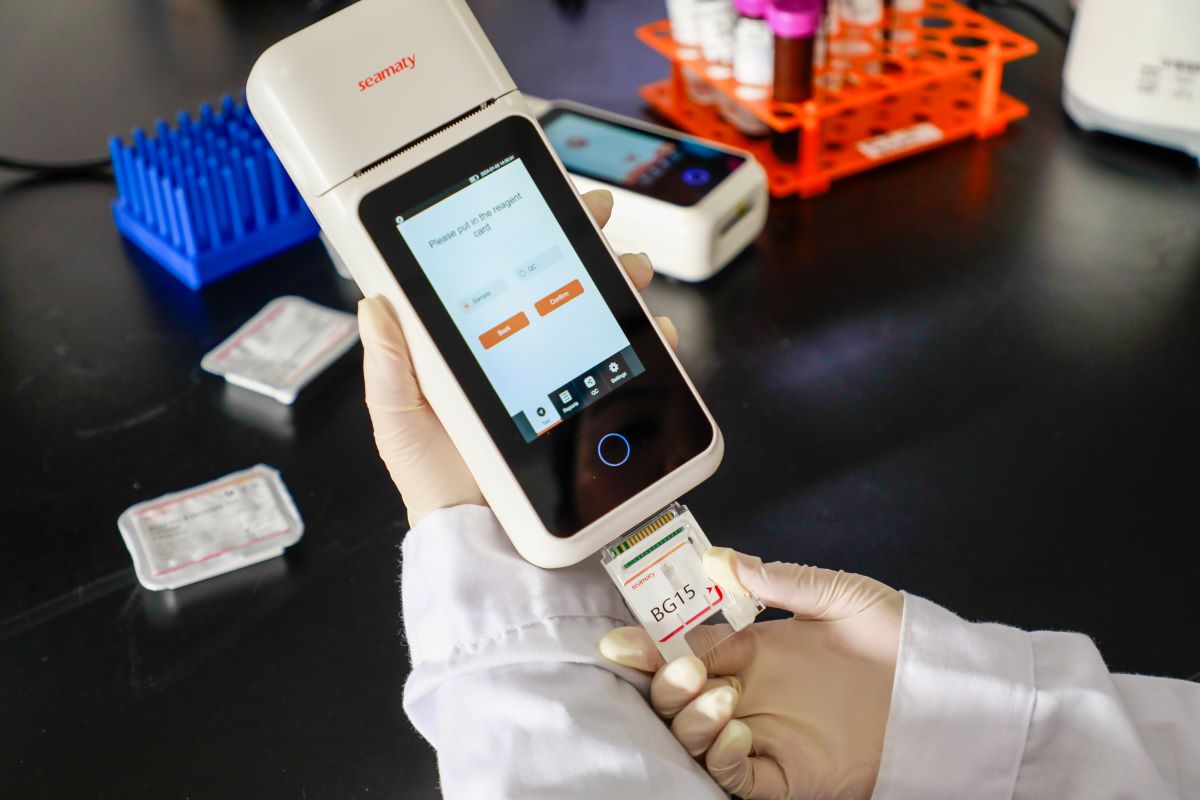
In summary, a handheld veterinary blood gas analyzer like the Seamaty VG1 significantly enhances the diagnostic capabilities of veterinarians by providing quick, accurate, and portable testing solutions. This not only optimizes patient care but also improves the efficiency and effectiveness of veterinary practices. For any animal hospital looking to stay at the forefront of veterinary diagnostics, investing in a handheld veterinary analyzer is a wise and impactful decision.
2022-09-23
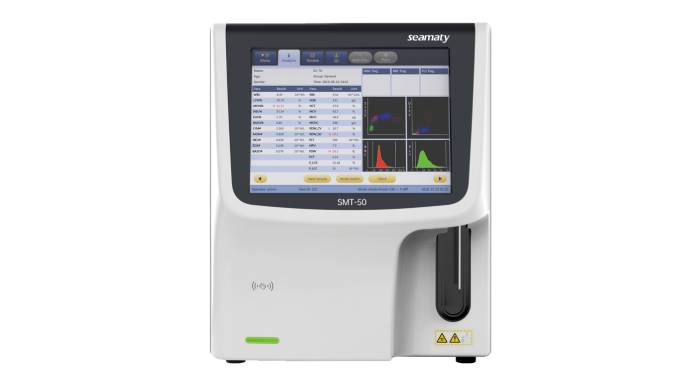
Hematology analyzer is one of the most widely used instruments for clinical testing in hospitals. Automated hematology analyzers are often used in doctor's office laboratories, small independent laboratories and clinics to perform CBC tests

2022-03-21
On March 2, 2022, the White House released a COVID-19 strategy called the "National COVID-19 Preparedness Plan" to guide the United States into "New Normal "The plan has four main objectives.
2021-07-26
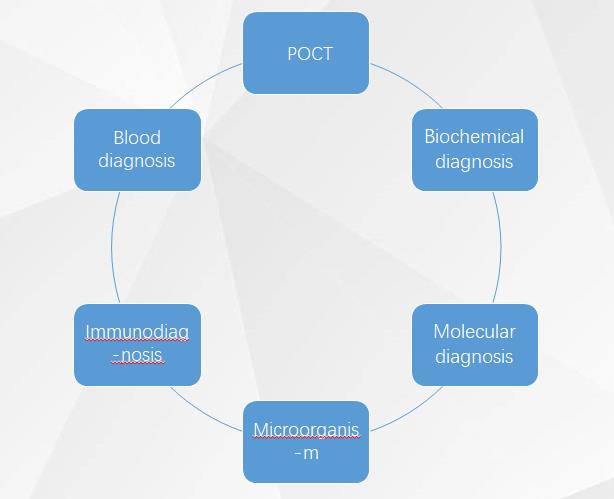
IVD (in vitro diagnosis) refers to the products and services outside the human body to obtain clinical diagnosis information by testing human samples (blood, body fluid, tissue, etc.), so as to judge diseases or body functions, so as to maintain the first market share in the medical device industry.