Material of Seamaty Biochemical Diagnostic Reagent Disk - Acrylic

release time:2021-08-08 13:52:57

Seamaty biochemical diagnostic kit tray material - acrylic

Seamaty biochemical diagnostic reagent tray adopts micro-controlled flow technology. A series of automated testing processes such as blood separation, dilution, reaction and testing can be done in a small reagent tray?
Yes, it is the Seamaty Biochemical Diagnostic Reagent Tray.

So far, Seamaty biochemical diagnostic reagent tray for veterinary use has as many as 13 kinds of items combined reagent tray, and a single reagent tray can test up to 23 items.

It is so powerful and popular ,what kind of material is used to make it? Today I'll reveal it for you!

1  About Seamaty biochemical diagnostic reagent discs

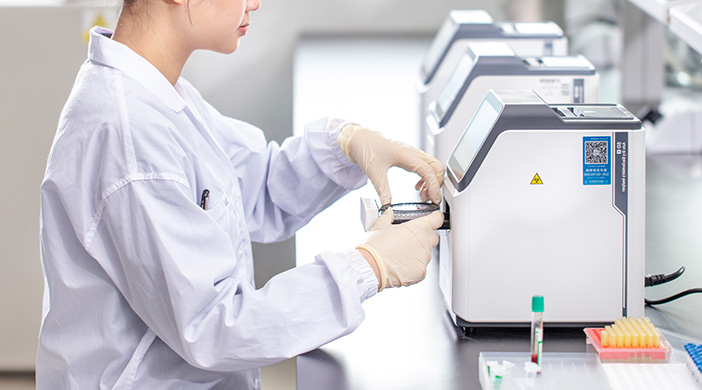
Seamaty biochemical diagnostic reagent tray: it uses a plastic with glass characteristics: made of acrylic, with instruments involved in each stage of blood analysis. It is well realized in a small reagent tray to complete the blood sampling, separation, dilution, reaction, detection and other series of operations.

Seamaty biochemical diagnostic kit

2  About acrylic

Acrylic, also known as PMMA or Plexiglas, derived from acrylic plastic, chemically known as polymethyl methacrylate.


Acrylic is an important plastic polymer material developed earlier, with good transparency, chemical stability and weather resistance, easy to dye, easy to process, and beautiful appearance. Acrylic is known as the "star" of the material world, in various fields have a wide range of applications.

01 Acrylic has extremely superior optical properties

Usually, acrylic in more than 500 nanometers light transmission rate of 92% or more, but the acrylic currently used by Chengdu Seamaty Technology Co. The luminescent marker of the reagent disc is more sensitive, and the test results are more accurate.

02 Acrylic is durable

Acrylic material is light, high surface hardness, high temperature resistance, weather resistance, good chemical resistance, and excellent electrical insulation and mechanical strength, durable.

03 acrylic welding tight, to avoid the risk of cross-infection

Acrylic is amorphous plastic, can be formed after ultrasonic welding, which effectively avoids the risk of cross-contamination of reagent beads.

04 Acrylic chemical properties are stable

Acrylic has strong corrosion resistance to acids, alkalis and salts, which is the reason why Seamaty reagent trays can be used to contain reagent beads to avoid reactions with pharmaceuticals.

05 Acrylic is environmentally friendly and recyclable

Acrylic materials can be recycled, so that not only can not pollute the environment can save the limited resources of society now, but also reduce the overall cost. It is truly a green material.

Prev Return Next

Related Reading

Biochemistry Analyzer vs Hematology Analyzer vs Immunoassay Analyzer: What's the Difference?

2023-11-29

Discover the differences between Biochemistry Analyzer vs Hematology Analyzer vs Immunoassay Analyzer in our insightful guide. Explore unique features, applications, and technological advances. Empowering healthcare professionals with vital insights for precise patient care.

Analytical Systems for Biochemistry Analyzers-Seamaty

2022-08-04

Biochemical analyzers are devices that automate the operation of biochemical analysis processes using physical, chemical, and computer technologies. The automated process of a biochemistry analyzer can include: identification and sample delivery, loading of samples and reagents, charging reaction and detection conditions (e.g., wavelength, temperature, time), data processing, and system maintenance.

How to improve the accuracy of biochemical test results?

2021-12-03

In our previous blog, we mentioned 5 reasons why biochemistry test results can be inaccurate. But how to avoid these possible factors?Here are some suggested measures.