Common medical equipment in clinical laboratory departments

release time:2021-09-10 11:34:17

Laboratory is the bridge between clinical medicine and basic medicine. It includes the sub-disciplines of clinical chemistry, clinical microbiology, clinical immunology, hematology, body fluid science and blood transfusion.

The main work of hospital laboratory department includes: full examination, immunological examination, microbiological examination, and clinical examination items.

What are the common medical equipment in the clinical laboratory department?


A. Clinical examination equipment

Blood cell analyzer, flow cytometer, blood coagulation analyzer, urine dry chemistry analyzer, urine organic fraction analyzer, fecal analyzer

B. Biochemical and immunological equipment
Biochemistry analyzer, chemiluminescence immunoassay analyzer, enzyme immunoassay analyzer, fluorescence immunoassay analyzer

C. Molecular diagnostic equipment
Nucleic acid extractor, real-time fluorescence PCR instrument, gene sequencer, mass spectrometer

D. Microbiological testing equipment
Microbial identification drug sensitivity analyzer, automatic blood culture instrument, microbial mass spectrometer

E. Other laboratory equipment
Blood type identification instrument, flow line system.

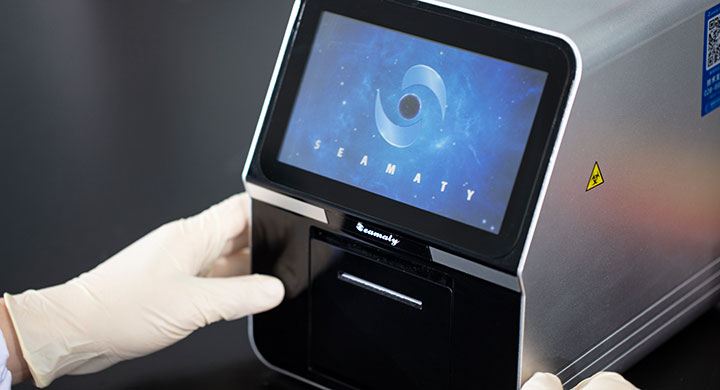
seamaty biochemistry analyzer

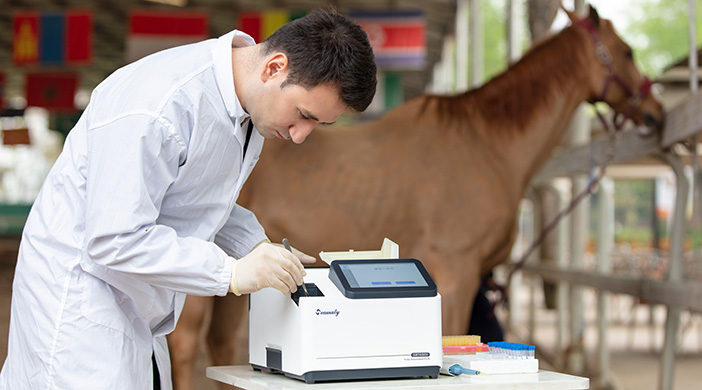
Vet Immunoanalyzer

Prev Return Next

Related Reading

Top 8 Blood Gas and Electrolyte Analyzers in 2024: Brands, Features, Prices

2023-11-15

Explore the latest advancements in medical technology with our comprehensive guide to the top 8 blood gas and electrolyte analyzers in 2024. From handheld devices for on-the-go diagnostics to benchtop systems offering diverse testing parameters, discover the key features, testing times, and average prices of these cutting-edge analyzers. Stay informed for smarter healthcare decisions.

Why do pets need blood biochemistry tests?

2021-12-29

Veterinary biochemical testing is the testing of multiple chemical components within a sample. The levels of these chemicals reflect many conditions in various organs of the body. Most veterinary biochemical tests measure blood electrolytes and assist in the diagnosis of liver, kidney and pancreatic disease.

How does a biochemistry analyzer test for blood lipids | Medical Diagnosis

2021-09-02

Biochemistry is able to test total cholesterol (CHO), triglyceride (TG), high-density lipoprotein cholesterol (HDL-C), low-density lipoprotein cholesterol (LDL-C) and other items related to blood lipids. The biochemistry analyzer enables an all-round understanding of blood lipid levels with accuracy and credibility.