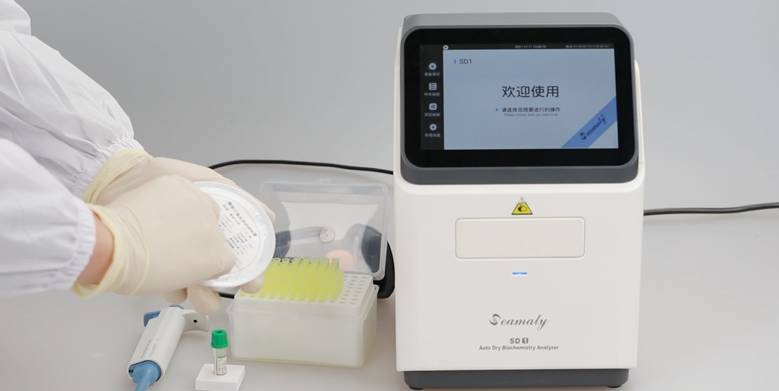
Fully automatic biochemistry analyzer and semi-automatic biochemistry analyzer

release time:2021-10-12 14:17:56
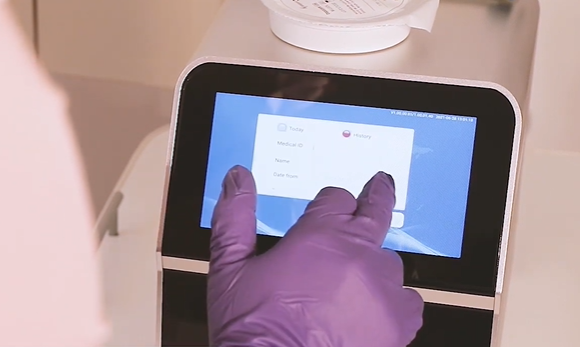
Biochemistry analyzers have been a common medical device in biochemistry lab instruments. According to the size of the microcomputer processing function used in biochemistry analyzer, biochemistry analyzer can be divided into fully aubomabic biochemistry analyzer and semi-automatic biochemistry analyzer.

1. Fully automatic biochemistry analyzer

The fully automatic biochemistry analyzer is programmed to do everything automatically from sample addition to result printing. Since there is no manual operation step in the analysis process. Therefore, the operator's subjective error is small. Moreover, Fully automatic biochemistry analyzer is usually equipped with an automatic alarm device and automatic correction of the operating status. Therefore, the system error is also less.

Fully automatic biochemistry analyzer brings great convenience to the user. It has the function of random combination and priority processing (emergency samples). This greatly improves the efficiency of biochemical instruments.

2. Semi-automatic biochemical analyzer

Semi-automatic biochemistry analyzers require manual operation for some operations during the analysis. Such as sample processing, reagent addition, holding, aspiration colorimetric, results recording and other steps). While other parts of the operation can be done automatically.

For example, in the case of flow colorimeter, the color aspiration and result reporting are automatic. The steps before this need to be done manually and are semi auto analyser.

The advantages of the semi auto analyser are its small size, simplicity and flexibility. Each part of the biochemical instrument can be used separately or in combination with other instruments). And semi-automatic biochemical analyzer is cheaper.

Prev Return Next

Related Reading

Reasons for Unqualified Clinical Blood Specimen Collection and Solutions

2022-04-29

The reasons and countermeasures for unqualified specimens commonly encountered by laboratory staff in taking blood specimens are summarised.

Blood Tests: Why do They Take Multiple Tubes of Blood?

2021-12-17

Regular blood tests are one of the most important ways to track your overall health. Getting tested regularly allows you to understand the way your body changes over time and allows you to make informed decisions about your health. But why does a blood test require several tubes of blood to be drawn?

Does the age and sex of the animal have an effect on the biochemical results?

2021-10-26

Young animals are in an active developmental stage. Some biochemical indicators of normal young animals may not be in the reference range of adult animals. The skeletal metabolism of young animals is active, and skeletal growth increases the secretion of alkaline phosphatase (ALP) by osteoblasts, so that ALP activity is higher in growth-age animals than in healthy adult animals.