1.Pet Care Tips:Dogs' happiness, anger sadness and lonely
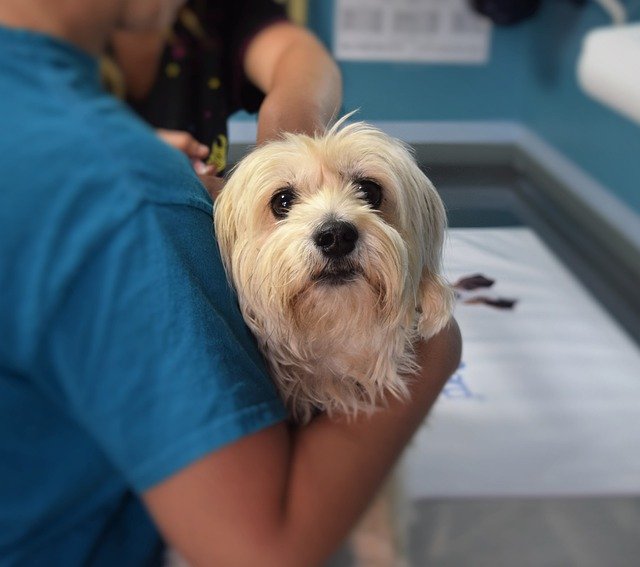
When happy, will be jumping constantly, with front legs on the ground or tail wagging vigorously from side to side, ears wiggling back.
When angry, the whole body will be rigid, limbs outstretched, the dog hair upside down, while showing teeth, issued a threatening "whimper" to intimidate each other.
When sad, will make a "coo", "ho ho" bark, expressed the desire to get close to the master, to "tell" their grief, pain and misery.
When lonely, dogs in lonely time, the whole body relaxed and limp, like yawning, emitting "ah ah" sound.
2. Common symptoms of animals: clinical manifestations of anemia
Anemia is the number of red blood cells per unit volume, hemoglobin content and red blood cell pressure volume in the peripheral blood is lower than normal. Anemia is a clinical symptom caused by many different causes or diseases. It mainly manifests as pale skin and mucous membranes, decreased skin temperature, depression, fatigue, drowsiness, weakness, unsteady gait, dry and flaccid skin, rapid heartbeat, and shortness of breath. Palpitations and shortness of breath were more obvious after exercise.
3. Tips for animal biochemical interpretation: total bilirubin (TB)
1) TB is elevated.
Commonly seen in
-
a. Liver diseases: common in babesiosis, blood Baltons disease, infectious hepatitis, leptospirosis, bacterial hepatitis, cirrhosis, drug poisoning, etc.
-
b. Cholestasis; 3. Hemolysis or lipemia.
2) TB reduction: no special clinical significance.
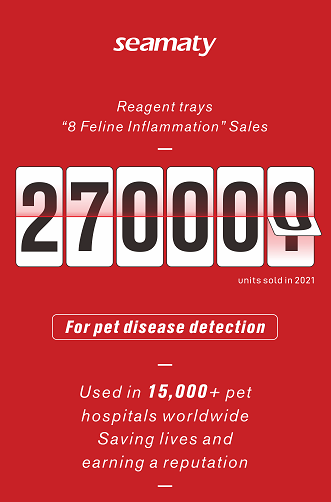
4. Catarrh 12 biochemical reagent plate sales data
5. China's pet industry development history
1) Enlightenment period (1990-1999)
-
●The policy of dog breeding was changed from "prohibited" to "restricted".
-
●Brand: International brands represented by Mars and Royal entered China
-
●The first pet stores and pet supply stores appeared in Beijing and Shanghai
2)Breeding period (2000-2010)
-
●The number of pet owners began to grow
-
●Awareness of scientific pet ownership among pet owners was gradually established
-
●Large-scale pet product manufacturing factories began to appear in China
3)The period of price increase (2011-2020)
-
●The number of pets surged to over 100 million
-
●Pet consumption: pet ownership is changing from rough to refined
-
●Channel: The pet business in Jingdong Tmall and other e-commerce channels has seen explosive growth
4) Diversified development period (2021 to present)
-
●The growth of pet population is diverging: the growth rate of cat population > the growth rate of dog population
-
●Price: healthier and richer pet food, intelligent pet supplies
-
●The industry chain of the whole life cycle of pets is formed
-
●Domestic brands are competing with each other