Seamaty SG1 Blood Gas Analyzer: A Must-Have for Small Clinics

release time:2023-12-14 11:07:25
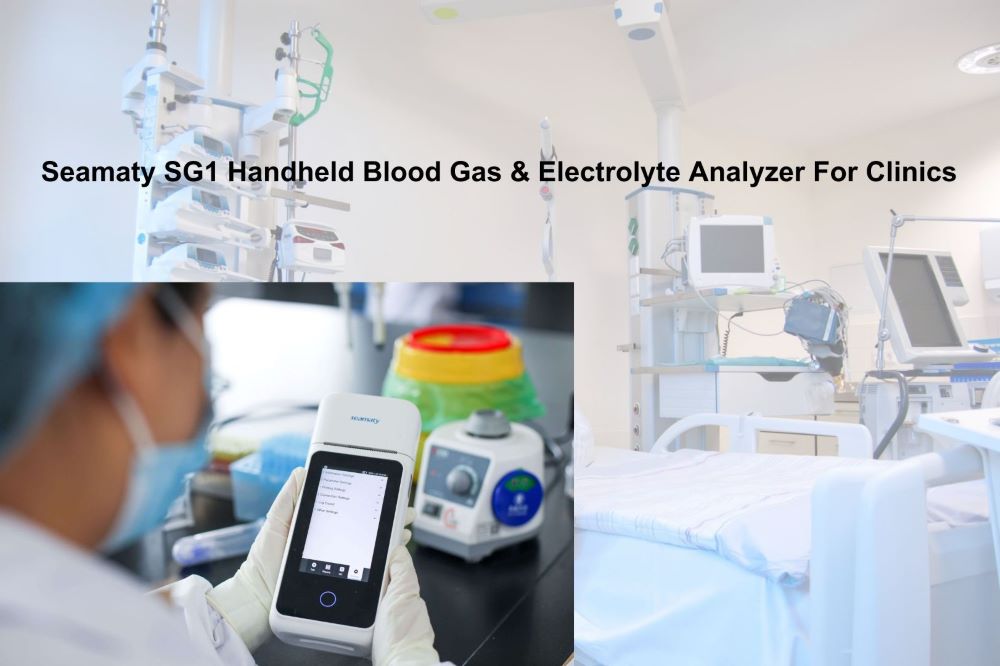
Seamaty SG1 Handheld Blood Gas & Electrolyte Analyzer For Clinics

Introduction

Seamaty SG1 is a portable blood gas and electrolyte analyzer that uses dry electrochemical method combined with microfluidic technology. The device is a handheld blood gas analyzer, with a small size and weight of only 0.6kg, which can be easily placed in the palm of your hand, making it convenient for clinicians to carry with them.

Product Advantages

The Seamaty SG1 is a well-designed and user-friendly blood gas and electrolyte analyzer that offers a number of advantages over other products on the market. Here are some additional details that highlight its strengths:
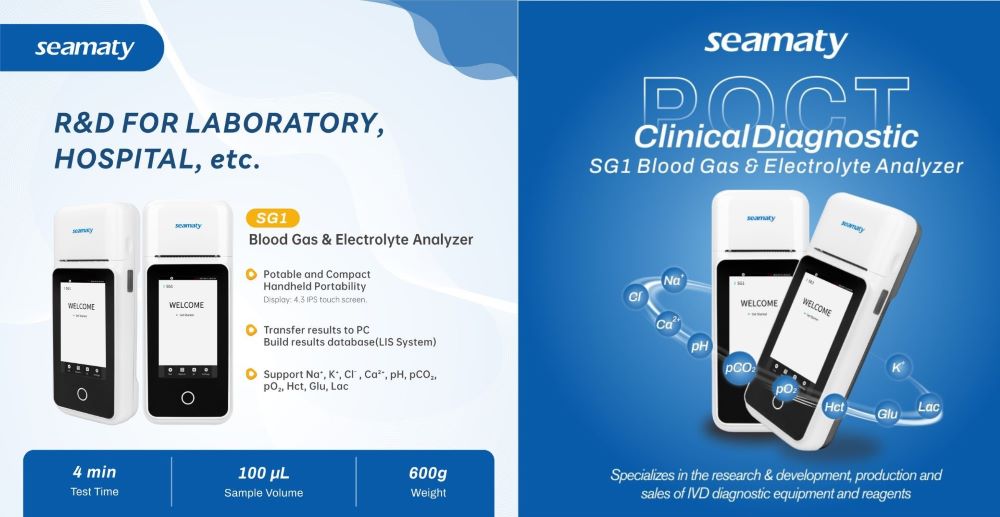
  • Compact and Portable: The small size and lightweight design (only 0.6kg) make it easy to carry and use anywhere, even in field settings or during patient transport.
  • Cost-Effective: The dry electrode technology eliminates the need for wet reagents and calibration solutions, reducing ongoing operational costs. Additionally, the built-in printer eliminates the need for an additional purchase, further reducing expenses.
  • Flexible Test Options: Unlike some fixed-parameter analyzers, the Seamaty SG1 allows you to choose the specific parameters you need to test, optimizing resource usage and reducing unnecessary testing.
  • Intuitive Interface: The user interface is simple and straightforward, requiring minimal training for healthcare professionals to operate effectively.
  • Reliable Data: The continuous monitoring and automatic calibration features ensure accurate and reliable test results, even for novice users.
  • Durable and Long-lasting: The built-in battery provides long standby time (up to 180 days) and supports 55 continuous tests, ideal for busy clinical settings.
  • Seamless Data Integration: The analyzer can seamlessly integrate with existing laboratory information systems, facilitating efficient data management and analysis.

Seamaty SG1 Handheld Blood Gas & Electrolyte Analyzer product poster

Test Items of Seamaty SG1

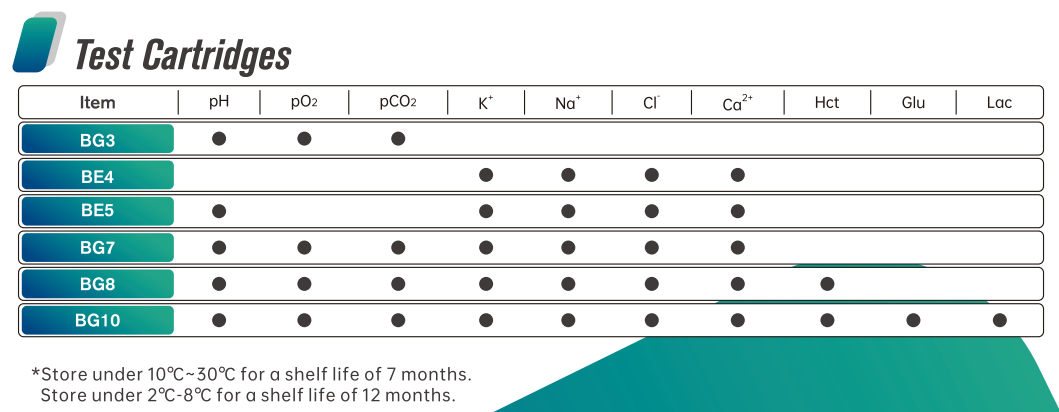
Seamaty SG1 can test blood gas and electrolyte items, including:
  • K+ (potassium ion): The concentration of potassium ions in the blood, which is essential for the normal function of the heart and nervous system.
  • Na+ (sodium ion): The concentration of sodium ions in the blood, which is associated with maintaining fluid balance and nerve conduction.
  • Cl- (chloride ion): The concentration of chloride ions in the blood, which is associated with fluid balance and acid-base balance.
  • Ca2+ (calcium ion): The concentration of calcium ions in the blood, which is important for physiological processes such as blood clotting, nerve conduction, and muscle contraction.
  • pH: The acidity of the blood, which affects the activity of proteins and enzymes and has important implications for physiological function.
  • pO2: The partial pressure of oxygen in the blood, which reflects the delivery of oxygen and the oxygenation of tissues.
  • pCO2: The partial pressure of carbon dioxide in the blood, which is associated with respiration and acid-base balance.
  • Hct: The volume fraction of red blood cells in the blood, which reflects the relative content of red blood cells in the blood.
  • Glu: The concentration of glucose in the blood, which is the body's main source of energy.
  • Lac: The concentration of lactate in the blood, which can be used to assess the degree of tissue hypoxia and acidosis.

test cartridges of Seamaty SG1

Application Scenarios of Seamaty SG1

Seamaty SG1 is suitable for hospitals of all levels and primary healthcare institutions, and can be used in the following departments:

  • Internal medicine: Blood gas, electrolyte, and acid-base balance testing for patients with diseases such as diarrhea, vomiting, and heart failure.
  • Surgery: Blood gas, electrolyte, and acid-base balance monitoring during surgery.
  • ICU: Blood gas, electrolyte, and acid-base balance monitoring for critically ill patients.
  • Emergency department: Respiratory, acid-base electrolyte monitoring for emergency patients such as poisoning, coma, and convulsion.
  • Pathology laboratory: Used for the evaluation of ventilation and gas exchange function and acid-base balance testing of patients with various diseases and critically ill patients in the emergency department and inpatient departments.
  • Field training: Rapid analysis of electrolyte metabolism disorders, oxygenation, and ventilation balance.

Conclusion

Overall, the Seamaty SG1 is a game-changer for small clinics and primary healthcare institutions by offering a portable, accurate, and efficient solution for blood gas and electrolyte testing. Its combination of advanced technology, user-friendly design, and cost-effectiveness makes it a valuable addition to any healthcare provider's arsenal.

Recommended further reading:

1. Top 8 Blood Gas and Electrolyte Analyzers in 2024: Brands, Features, Prices

2. Decoding Blood Gas Analyzers(BGA): Selecting, Applications, and Top 6 Picks

2. Portable Blood Gas Analyzers: Empowering Remote Healthcare and Emergency Medical Services

3. A Cost-Effective Alternative to the Abbott i-STAT: Seamaty SG1 Blood Gas&Electrolyte Analyzer

4. Not all Blood Gas Analyzers are Suitable for POC Testing, Here's Why
Prev Return Next

Related Reading

Can a Handheld Device Take the Lab to the Patient? Exploring Portable ISE Analyzers in Medicine

2024-12-12

Revolutionize point-of-care testing with portable ISE analyzers! These handheld electrolyte analyzers deliver immediate results, transforming patient care in critical care, chronic disease management, and more. Dive into the possibilities with our blog post and discover the future of medical diagnostics!

3 Tips for Choosing the Right Veterinary Blood Gas and Immune Analyzer

2023-08-17

Discover key tips for selecting a veterinary blood gas and immune analyzer. Learn about accuracy, ease of use, and versatility. Explore the Seamaty VG2 for quick and reliable results in animal diagnostics.

Are Smaller Medical Equipments Better?

2022-05-23

More than ever, the medical equipments industry is focusing on usability. And people tend to think that "fewer steps" always equates to "easier to use" and "better user experience". However, this is not always the case, and in some cases can even cause more harm than good.