release time:2024-05-15 15:43:47
A fully automated microfluidic dry biochemical analyzer is a cutting-edge laboratory diagnostic device that combines microfluidic technology and biochip technology to provide rapid, accurate, and convenient biochemical testing.
The working principle of the fully automated microfluidic dry biochemical analyzer involves applying a small sample (typically blood or urine) onto a disposable microfluidic chip. The preloaded reagents on the chip react with the sample, generating optical signals. The analyzer automatically processes these signals and presents the results.
This type of analyzer offers several notable features:
The fully automated microfluidic dry biochemical analyzer is a versatile tool suitable for a wide range of settings, including:
As a newly developed diagnostic technology, the fully automated microfluidic dry biochemical analyzer has broad application prospects. With the continuous advancement of microfluidic and biochip technologies, the performance of these analyzers will improve further, and costs will decrease, making them likely to become mainstream laboratory diagnostic equipment in the future.
The Seamaty SD3 fully automated microfluidic dry biochemical analyzer uses microfluidic chips and integrated systems like internal liquid packs and pipetting systems to eliminate the need for liquid pathways and maintenance. Its test results are accurate and consistent with traditional biochemical methods. The SD3 can test conventional biochemical parameters as well as blood gas, electrolytes, and coagulation parameters, making it a versatile and highly efficient device.
This analyzer supports whole blood testing, offers fast detection speeds, high accuracy, requires minimal sample volume, and is easy to operate, achieving real-time, borderless clinical biochemical testing.
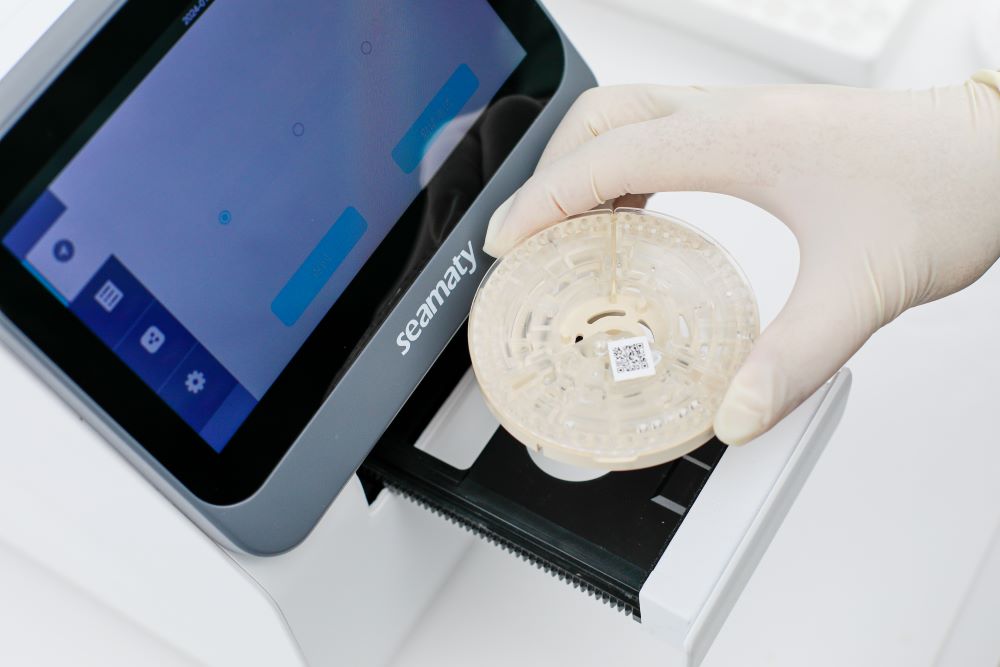
The fully automated microfluidic dry biochemical analyzer represents a leap forward in lab diagnostics. Its combination of speed, accuracy, ease of use, and cost-effectiveness makes it an invaluable tool for modern healthcare and research. Stay ahead of the curve and embrace this technology to revolutionize your laboratory's capabilities.
Additional further reading:
1. Three Tests in One: Revolutionize POCT with Seamaty SD3 Dry Chemistry Analyzer
2. Cut Costs, Boost Efficiency: The Automatic Chemistry Analyzer With Fan-Shaped Reagent Panels
3. Unlocking Speed in POCT: 5 Ways to Boost Biochemical Analyzer Efficiency
4. Fully Automatic Biochemistry Analyzers: A Guide to Price, Manufacturers, and Types
2024-04-03
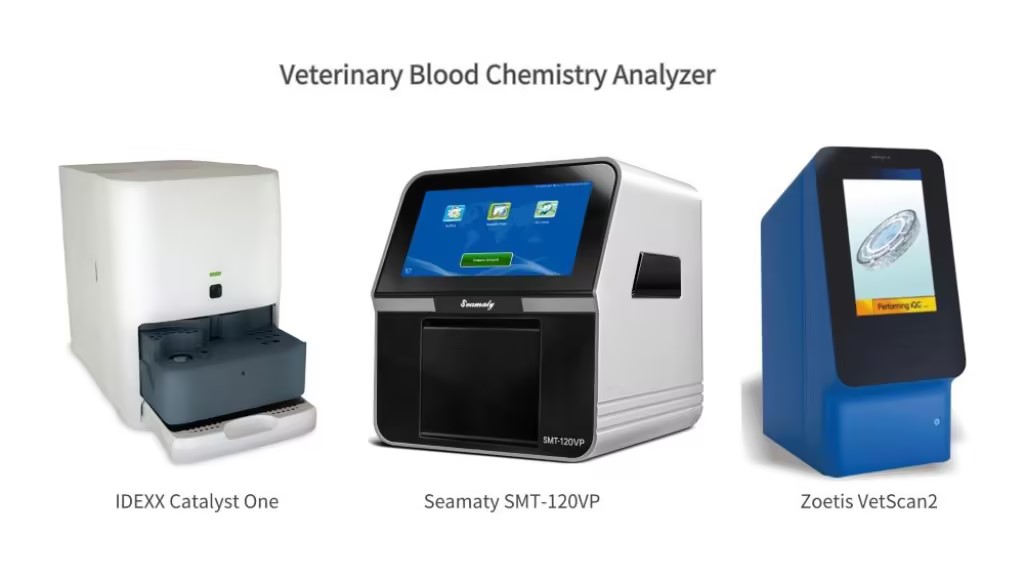
Confused about choosing a blood chemistry analyzer for your veterinary clinic? This post compares SMT-120VP, Catalyst One, and VetScan2 to help you find the best fit for your needs and budget, considering factors like testing range, speed, and cost.
2022-01-25
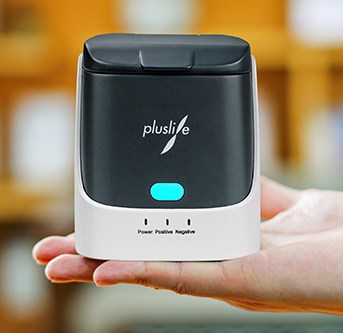
There are many COVID-19 test products available in the market, the common products are Abbott's BinaxNOW™ COVID-19 Antigen Self Test, iHealth® COVID-19 Rapid Antigen Test,
2021-10-21
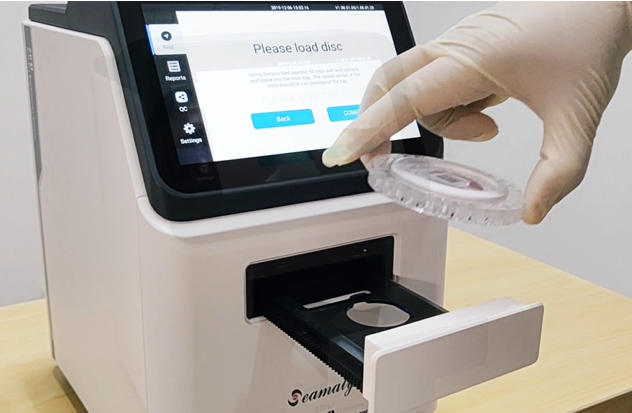
In recent years, a variety of home medical devices that are easy to operate, practical, and provide real-time feedback on health information have been favored by many groups. Home medical equipment has also become essential for many families. What is a home medical device?