release time:2024-12-23 14:15:28
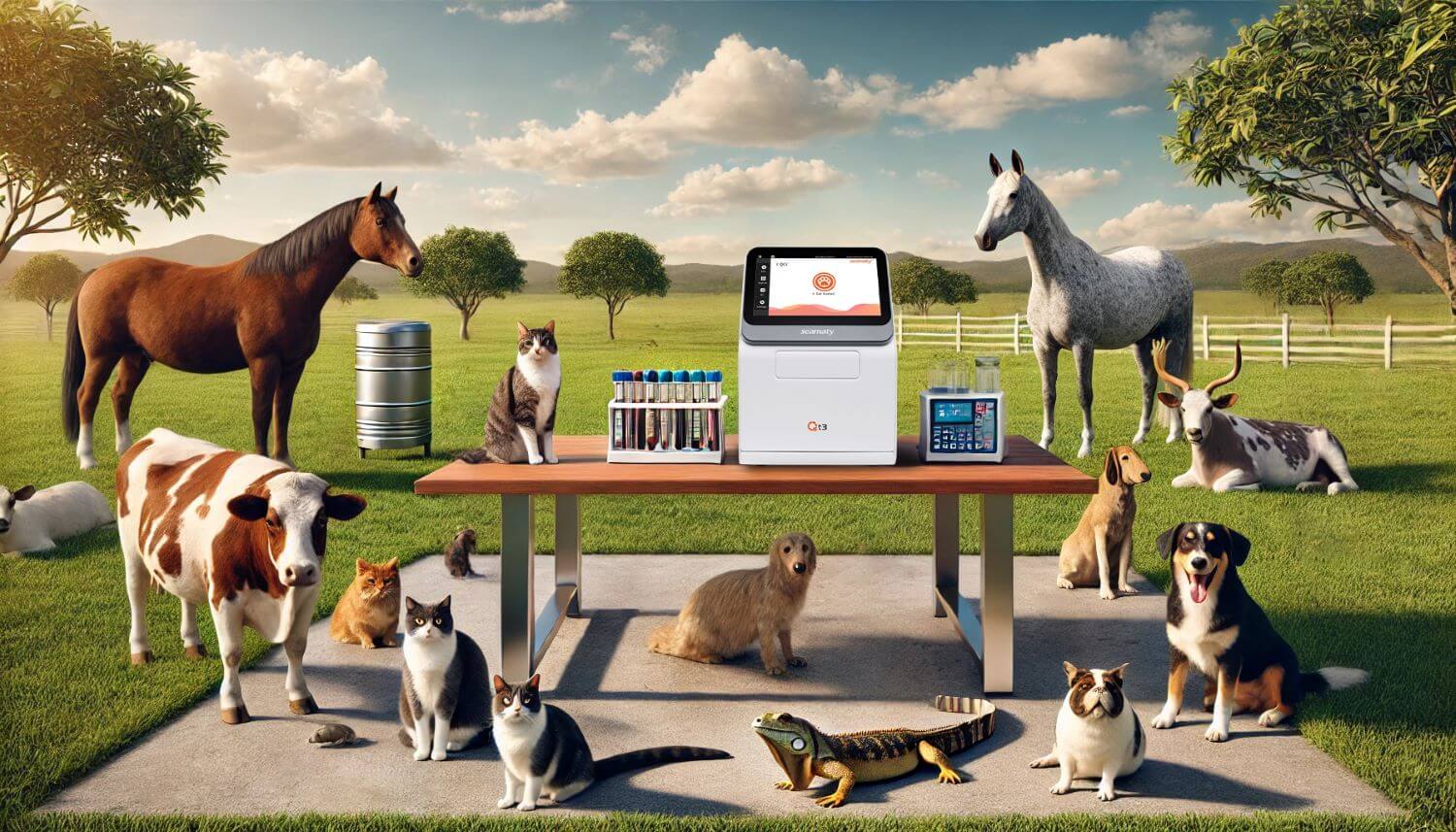
In modern veterinary medicine, accurate and timely diagnostics are essential for delivering quality care. From routine health checks to critical emergency cases, having the right diagnostic tools can make all the difference. The Seamaty Qt3 Veterinary Blood Chemistry Analyzer is a game-changer for veterinary practices, offering innovative features designed to meet the diverse needs of veterinarians. In this post, we’ll explore the top five reasons why the Seamaty Qt3 should be your go-to diagnostic solution.
Obtaining blood samples from small or exotic animals can be challenging and stressful for both pets and their owners. The Seamaty Qt3 is specifically designed to address this issue by requiring only 60 µL of whole blood for a complete test. This small sample volume minimizes discomfort for animals, making it a safe and stress-free choice for diagnostics.
Example:Imagine testing a small kitten or an exotic bird. With the Qt3, veterinarians can conduct accurate diagnostics without compromising the animal's well-being.
Veterinary practices often deal with a wide range of diagnostic requirements, from basic biochemistry tests to specialized coagulation or inflammation panels. The Seamaty Qt3 offers unparalleled flexibility, supporting tests for biochemistry, blood gas, electrolyte, coagulation, and inflammation. Its compatibility with both circular and sector reagent rotors allows veterinarians to perform single-parameter or combination tests as needed.
Applications:Whether diagnosing kidney function in cats, monitoring electrolyte levels in dogs, or testing inflammation markers in exotic animals, the Qt3 delivers comprehensive results tailored to each patient.
Time is of the essence in veterinary care, especially in emergency situations. The Seamaty Qt3 delivers test results within 9 to 12 minutes, ensuring quick decision-making for critical cases. Its load-and-go functionality eliminates the need for specialized training, making it an ideal tool for busy veterinary teams.
Example: In an emergency involving a dehydrated dog, the Qt3’s rapid results can help determine electrolyte imbalances, enabling prompt treatment and improving outcomes.
Accuracy is paramount in diagnostics, and the Seamaty Qt3 delivers on this front with its patented rotor design. This innovative technology prevents cross-contamination between reagents, ensuring that test results are always precise and reliable. Additionally, the built-in real-time quality control system monitors every test, providing peace of mind for veterinarians.
Outcome: Trustworthy results from the Qt3 mean veterinarians can confidently base treatment plans on the data provided, improving patient outcomes.
Veterinary practices need solutions that are both effective and economical. The Seamaty Qt3’s fluidics-free design reduces complexity, resulting in lower maintenance requirements and associated costs. This makes it an excellent long-term investment for clinics looking to optimize their diagnostic processes without breaking the bank.
Example:High-volume clinics can benefit from the Qt3’s reliability, reducing downtime and maintenance expenses while maintaining consistent performance.
The Seamaty Qt3 Veterinary Blood Chemistry Analyzer is more than just a diagnostic tool—it’s a comprehensive solution designed to enhance the efficiency, accuracy, and reliability of veterinary practices. With its minimal sample requirements, wide range of tests, rapid results, advanced technology, and low maintenance needs, the Qt3 is a must-have for any veterinarian dedicated to providing the best care possible.
Ready to elevate your veterinary diagnostics? Contact us today to learn more about the Seamaty Qt3. Your patients—and their owners—will thank you!
2024-11-05
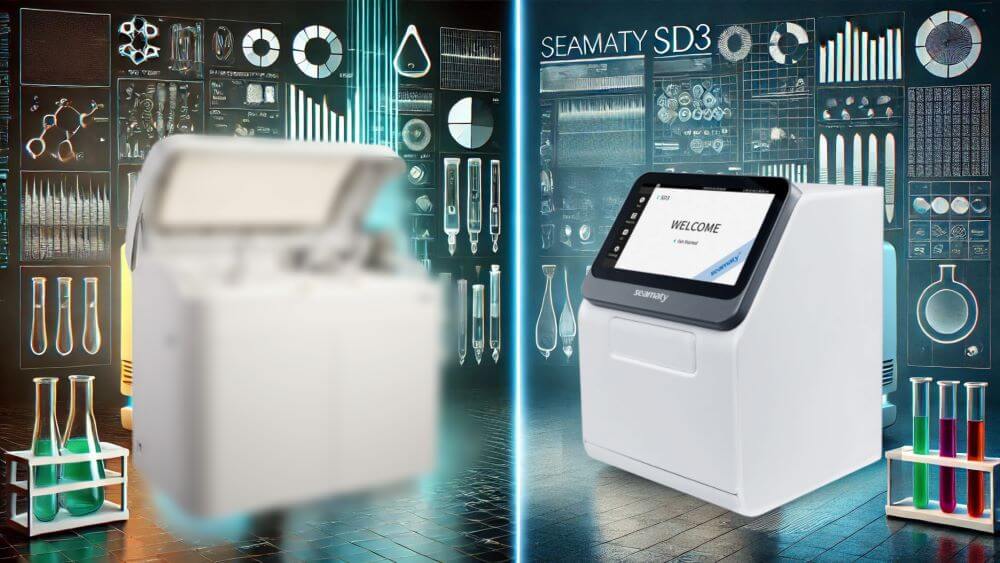
Discover the in-depth comparison between the Seamaty SD3 and traditional chemistry analyzers. Uncover how SD3's advanced features like microfluidics, unique reagent discs, and user-friendly design give it an edge in accuracy, speed, cost-effectiveness, ease of use, sample compatibility, and customization.
2024-06-18
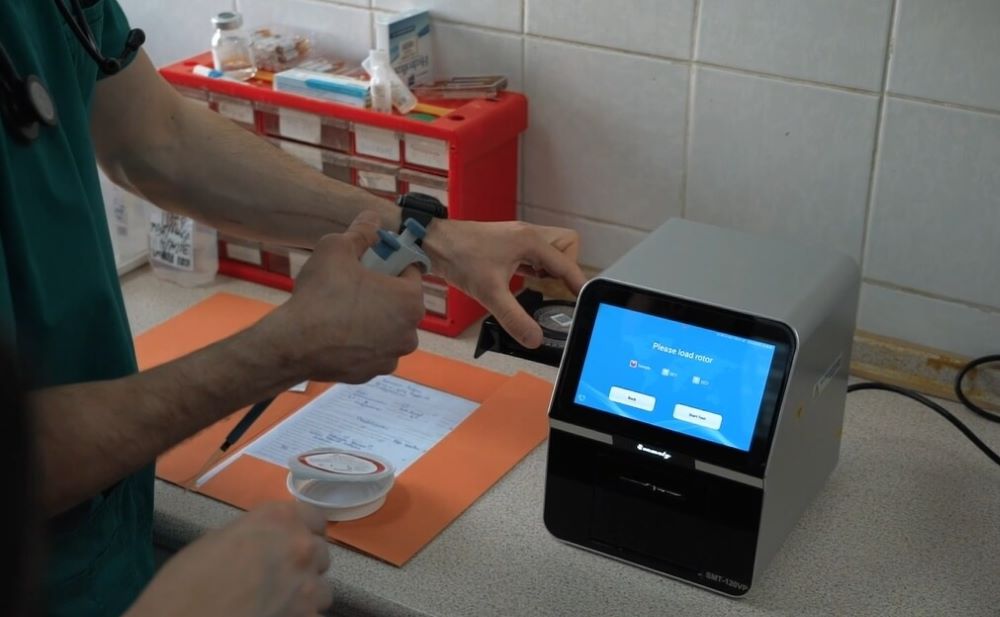
Discover the Seamaty 120VP Multifunctional Animal Biochemical Analyzer, an essential tool for pet clinics. Learn about its comprehensive testing capabilities, user-friendly operation, portability, and superior consumables, helping veterinarians enhance efficiency and reduce costs.
2022-07-20
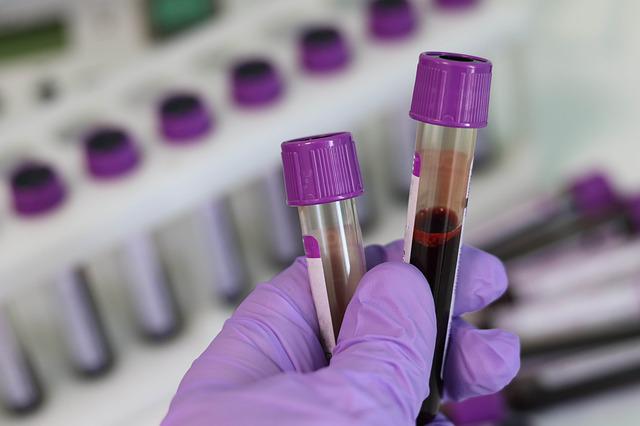
In a conventional hematology meter, red blood cells (RBC) and platelets (PLT) share a single measurement channel. The determination of hemoglobin content (HGB) is the same in any type and grade of hematology analyzer.