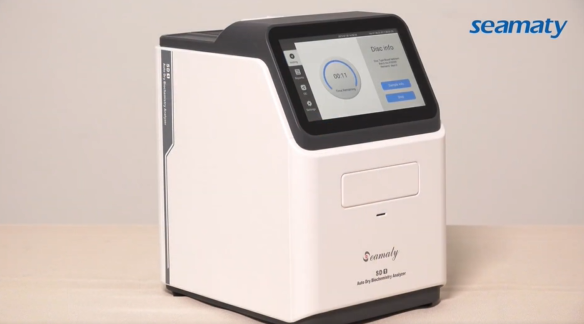
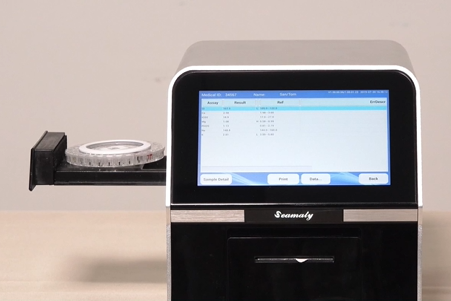
1. What is in vitro diagnostic reagents?
In vitro diagnostic reagents, which are managed according to medical devices, include reagents, kits, calibrators, quality control products and other products used for in vitro testing of human samples in the process of disease prediction, prevention, diagnosis, treatment monitoring, prognosis observation and health state evaluation.
2. What are in vitro diagnostic reagents?
-
①Calibration products
-
②Quality control products
-
③Reagent kits, such as C-reactive protein test kits, etc.
-
④In vitro diagnostic reagents
-
⑤Other
3. Classification of in vitro diagnostic reagents
According to the product risk level from low to high,
in vitro diagnostic reagents are divided into the first category, the second category, the third category of products.
The first category of in vitro diagnostic reagents products, mainly including
-
(1) microbial culture media (not for microbial identification and drug sensitivity testing).
-
(2) sample processing products, such as hemolysate, diluent, staining solution, etc.
The second category of in vitro diagnostic reagent products, mainly including.
-
(1) reagents for protein detection.
-
(2) reagents for sugar detection.
-
(3) reagents for hormone detection
-
(4) reagents for enzyme detection
-
(5) reagents for ester detection
-
(6) reagents for vitamin detection
-
(7) reagents for inorganic ion detection
-
(8) reagents for drug and drug metabolite detection
-
(9) reagents for autoantibody detection
-
(10) reagents for microbial identification or drug sensitivity testing.
-
(11) reagents for other physiological, biochemical or immune function indicators.
The third category of in vitro diagnostic reagent products, mainly including
-
(1) with pathogenic pathogen antigens, antibodies and nucleic acids and other detection-related reagents; (2) with blood type, tissue type-related reagents.
-
(3) Reagents related to human genetic testing.
-
(4) reagents related to hereditary diseases
-
(5) reagents related to the detection of narcotic drugs, psychotropic drugs, toxic drugs for medical use; (6) reagents related to the detection of therapeutic drug targets;
-
(7) and tumor marker detection reagents;
-
(8) reagents related to allergic reactions (allergens).
4. How to assess the quality of in vitro diagnostic reagents?
The performance of in vitro diagnostic reagents is mainly reflected in three aspects.
-
1. Analytical performance: It mainly includes precision, accuracy, sensitivity, specificity, linear range and other performance of reagents.
-
2、Diagnostic performance: the sensitivity and specificity of the detected substances.
-
3、Stability: the validity period, transportation stability, open bottle stability, and accelerated stability of reagents.
The raw materials and processes used for the reagents should have clear quality requirements and be validated. The performance of the final IVD reagent meets the requirements of clinical use.
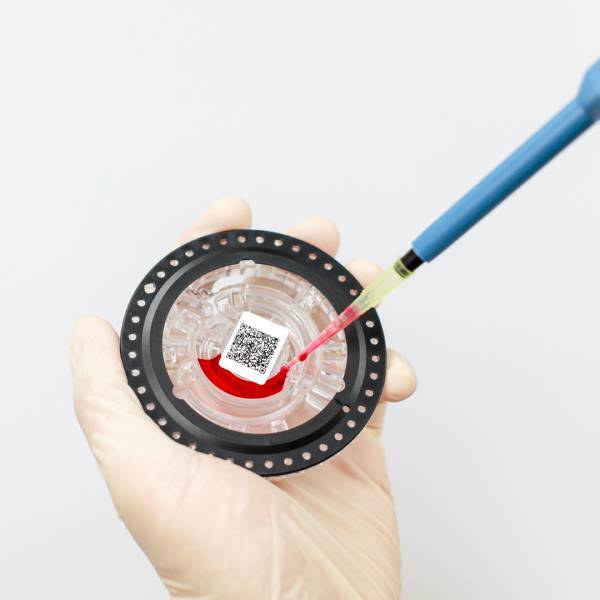
The main factors affecting the performance of in vitro diagnostic reagents are as follows.
-
Raw materials
-
Production process
-
Reaction system establishment
-
Performance evaluation method
-
Establishment of internal reference products
-
clinical evaluation, etc.