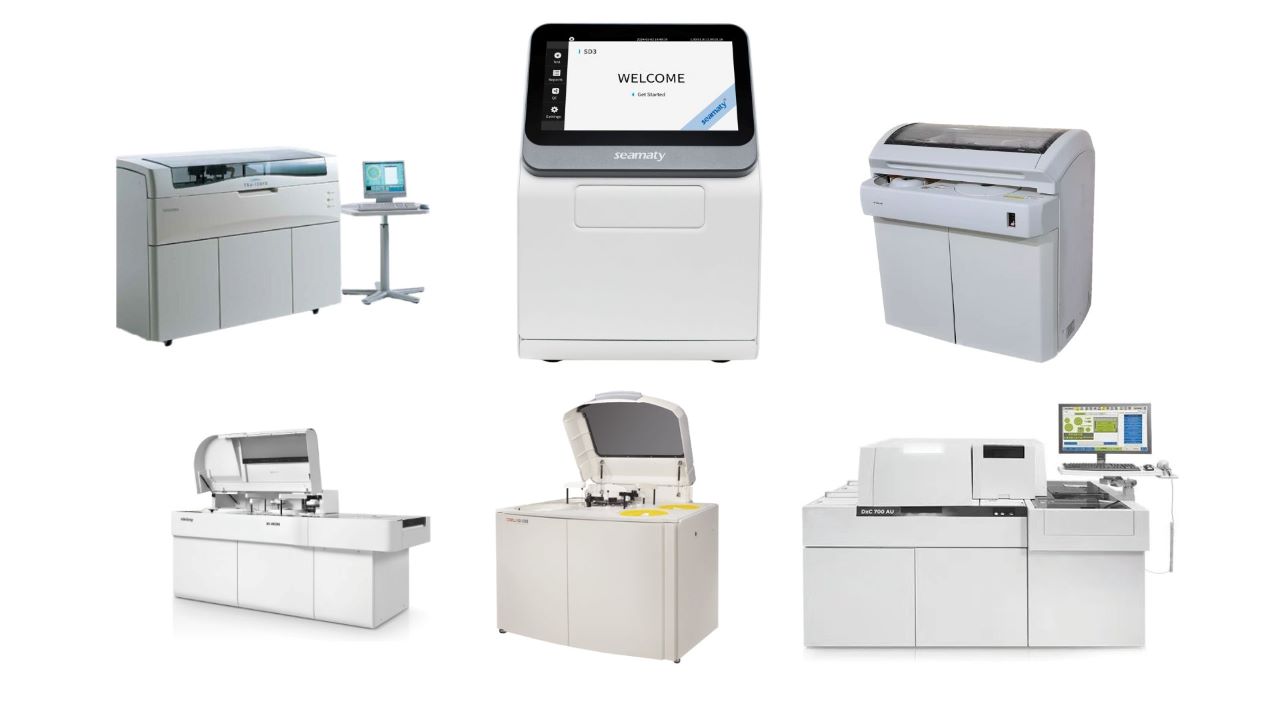
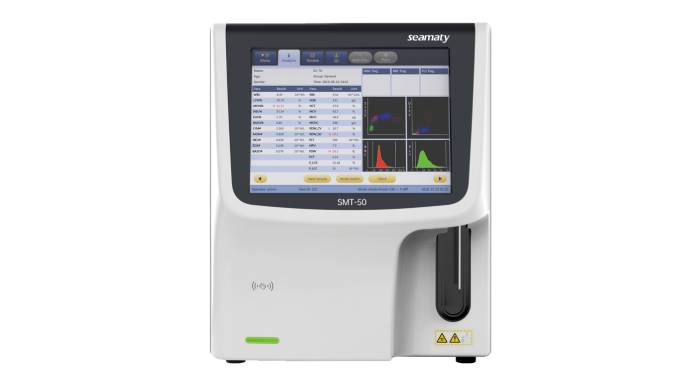
Blood is the most common sample used in medical testing, as it is the most readily available and effective sample for monitoring body conditions. Many fully automated analyzers have been developed based on blood sample testing. Such as chemiluminescent immunoassay analyzers, fully automated biochemical analyzers, etc. Blood samples on the machine before the processing of good or bad has a vital role in the detection of results.
Modern medical equipment, especially chemiluminescence immunoassay analyzers in the sample quality requirements are very strict. More than moderate hemolysis, lipidemia, serum height not enough 1 cm, application of patient sera with drugs that are tautomeric to the test specimen have a certain degree of influence on the sample results.
Isomers are involved in the process of antigen-antibody reactions thus affecting the test results. However, such samples can only be screened out by finding unconventional results after testing and combining them with the patient's diagnosis and medication. It cannot be detected during the pre-treatment process. The induction sampling system of the chemiluminescent immunoassay analyzer is more sensitive to hemolysis and lipidemia. Therefore it has a great impact on the accuracy of sampling. Also lipid particles etc. have an effect on the whole reaction process. These two types of blood specimens are the ones that can be screened out by pre-treatment and are poured into micro sample cups for testing.

The effect of specimens with a serum height of less than 1 cm can be large or small. Instruments for sensitive monitoring do not sample such specimens. However, for some instruments that are not sensitive enough, plus if you use a test tube with separation gel. Sampling needle will be stuck to the separation gel. Lightly affect the accuracy of the specimen detection. Severe cases will also block the needle hole and pipe damage to the instrument. Therefore, before the machine such specimens must be poured into the micro test cup.
Chemiluminescence immunoassay analyzer sampling induction system is very sensitive. Its blood samples in the machine before the processing of qualified for the detection of results is important. In addition, sample pretreatment can reduce the rate of review of the results, while reducing the cost of testing.
In addition, the maintenance of the instrument is also critical. It is not uncommon for the use of chemiluminescent immunoassay analyzers to be seriously affected by unqualified sample processing, even causing damage to the instrument. Therefore, the pre-treatment of blood samples in the use of chemiluminescent immunoassay analyzer, the maintenance process is crucial.