release time:2023-08-07 15:15:15
When it comes to running a successful veterinary hospital, the incorporation of point-of-care (POC) products is a critical consideration. These medical devices enable on-site testing, yielding instantaneous outcomes that aid in both the diagnosis and treatment of animal patients.
There are several compelling reasons why veterinary hospitals should prioritize the integration of these products:
Notable examples of POC products suitable for veterinary settings encompass veterinary hematology analyzers, veterinary chemistry analyzers, veterinary blood gas electrolyte immunoassay analyzers, urine analyzers, and various diagnostic tools.
Nevertheless, the necessity for specific POC products hinges upon factors such as the veterinary hospital's size, specialization, case load, and available resources. While some smaller clinics might lack a comprehensive array of on-site devices, they can establish collaborations with external laboratories or larger facilities for specific diagnostic needs.
For those seeking top-notch portable veterinary diagnostic solutions, we recommend exploring the offerings from Chengdu Seamaty Technology Co., Ltd. These products align seamlessly with the requirements of veterinary hospitals and clinics.
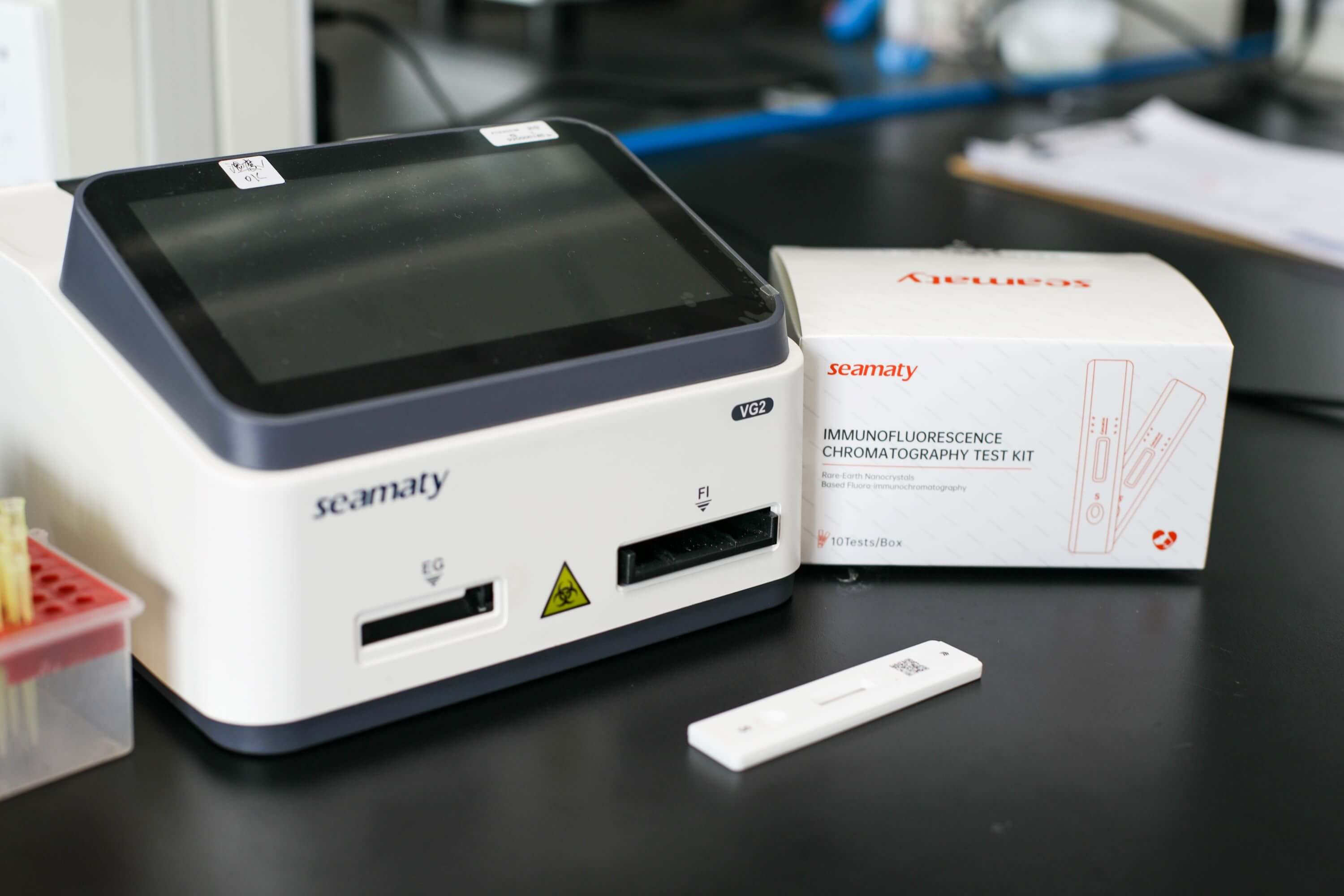
Seamaty introduces an innovative diagnostic solution with the VG2 analyzer, seamlessly merging fluorescence immunoassay blood gas and electrolyte analysis. The device is user-friendly, portable, and delivers dependable laboratory-grade results in just 4-10 minutes. It proves instrumental in diagnosing diseases, assessing immunity, monitoring inflammation in canines and felines, both pre- and post-surgery, and during critical medical scenarios.
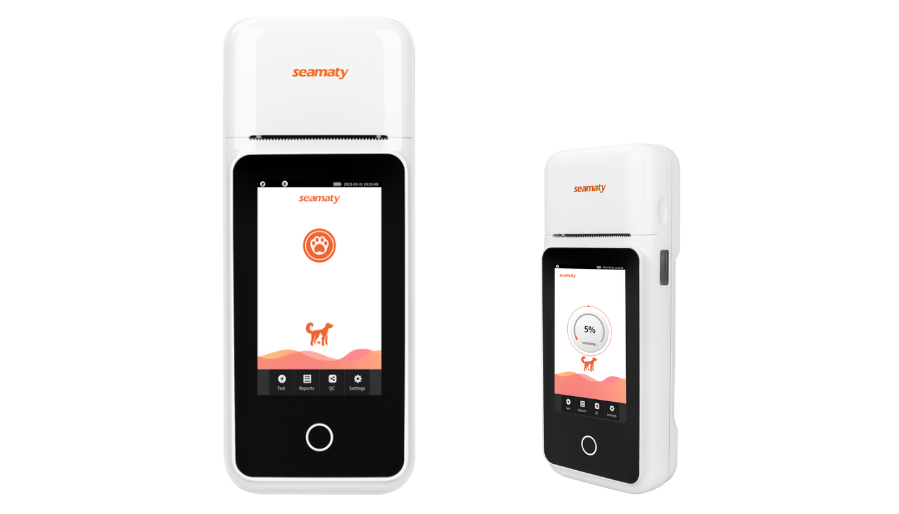
The VG1 stands as an easily maneuverable handheld veterinary analyzer that swiftly provides accurate blood gas, electrolyte, and critical care biochemistry results, all within a matter of minutes, regardless of location.
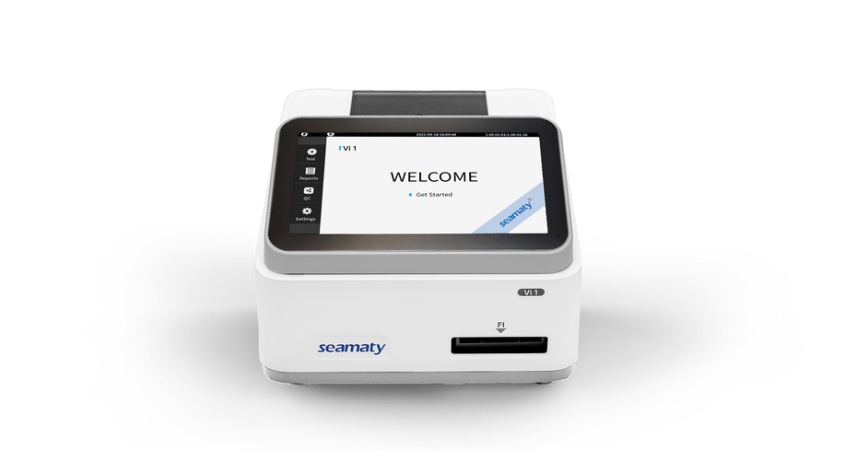
The Vi1 employs state-of-the-art rare-earth nanocrystals-based fluoro-immunochromatography. Renowned for its stability and minimal interference, this system ensures high sensitivity and specificity, delivering rapid, reliable, and precise test outcomes for veterinary diagnostics.
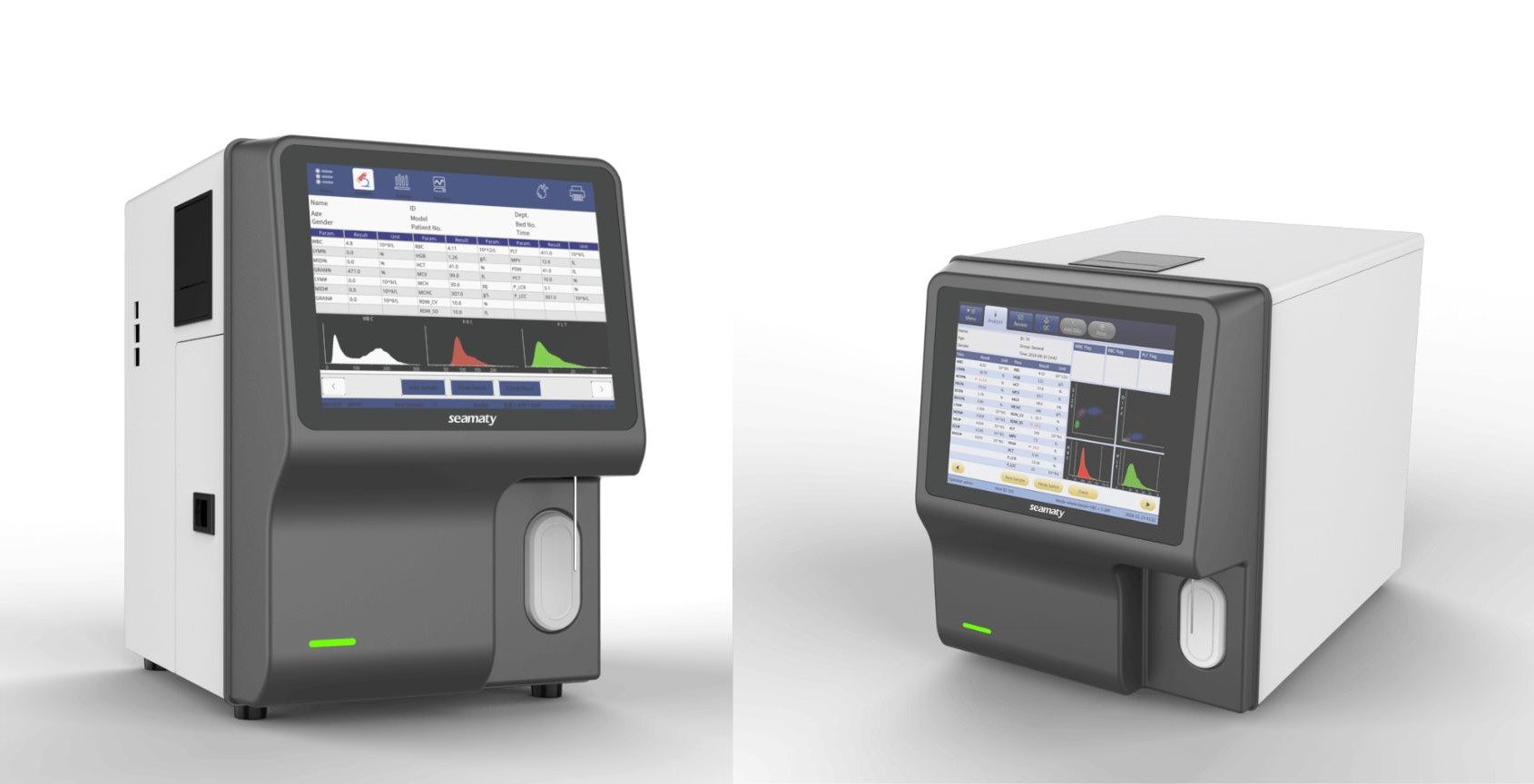
A crucial instrument in pet hospitals, the veterinary hematology analyzer, is indispensable for complete blood count (CBC) assessments. This component of laboratory diagnosis aids in comprehensive examination and preventive screenings for dogs and cats. Variations in CBC serve as early indicators of health changes, enabling clinicians to proactively identify potential diseases before clinical symptoms manifest.
Seamaty emerges as a cutting-edge enterprise specializing in IVD diagnostic equipment and reagents. Its comprehensive range of solutions encompasses biochemistry, coagulation, immunoassay, blood gas electrolyte, PCR, and more. With a presence across over 7 international branches, Seamaty's products have successfully reached over 100 countries and regions.
For inquiries, product interest, or distribution opportunities, kindly reach out to us via email at sales@seamaty.com or complete our contact form. Your journey to elevating veterinary diagnostics begins here.
2022-10-11
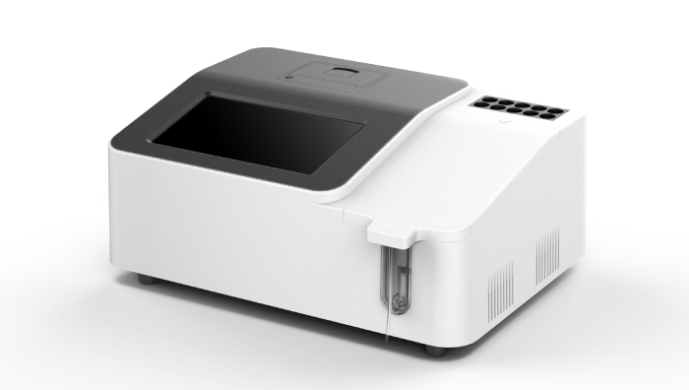
Semi-automatic biochemistry analyzer means that some of the operations (such as sample addition, holding, colorimetric inhalation, result recording, etc.) are done manually during the analysis process. The other part of the operation can be done automatically by the instrument.
2022-02-22
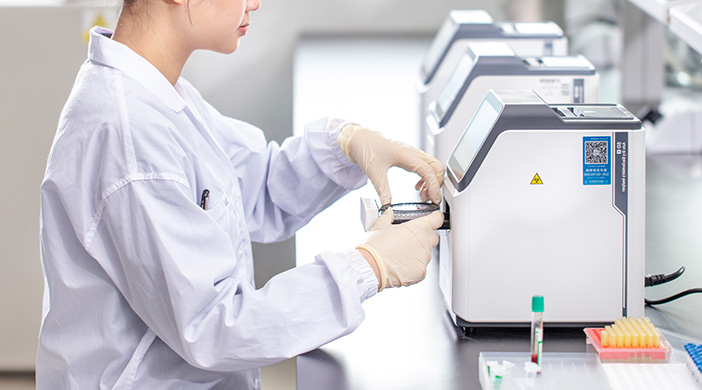
Compared to conventional biochemical devices, blood gas analysis has the advantage of being easy and fast to perform and uses less blood.
2021-12-30
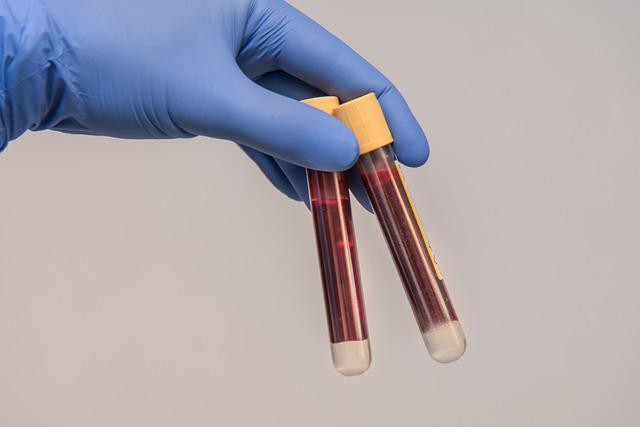
Hemolysis is a frequent phenomenon in clinical biochemical testing of blood samples. Hemolysis can affect the accuracy of biochemical test results. And hemolysis very often occurs when blood is drawn. So what are the causes of hemolysis when blood is drawn?