release time:2023-08-23 10:43:44
In the world of modern medicine, being precise and effective is super important. Whether it's a regular check-up or a serious medical situation, getting the right answers is key to treating patients well. One tool that really matters in hospitals is the electrolyte analyzer. This nifty device helps keep an eye on the levels of different stuff in a patient's body, so doctors can take action quickly and give the best care. But picking the right analyzer involves thinking about a bunch of things to make sure patients are taken care of properly without spending too much.
An electrolyte analyzer is a special gadget that checks how much of certain things are in a person's blood or other body liquids. These things, called electrolytes, like sodium, potassium, calcium, and chloride, do important jobs in our bodies. We need to watch these levels, especially when things are serious, because if they get messed up, it can cause big problems.
There are a few kinds of electrolyte analyzers out there, each with its own cool features:
1) Ion-Selective Electrodes (ISEs): These analyzers use special bits to measure each electrolyte. They're fast and accurate, which makes them great for places that need to test lots of people.
2) Blood Gas Analyzers: These not only look at electrolytes but also other important stuff in the blood, like oxygen and carbon dioxide. They give a bigger picture of what's going on with a person's body. Seamaty’s SG1 Blood Gas & Electrolyte Analyzer is one of the reliable choice.
3) Automated Chemistry Analyzers: These guys can measure lots of different things, not just electrolytes. They're like a one-stop shop for all kinds of tests, which is helpful for big hospitals with lots of tests to do.
4) Point-of-Care (POC) Analyzers: These little machines are like mini superheroes. They give quick results right next to the patient's bed, so doctors can act fast and fix things quickly.
Having one of these analyzers in a hospital is a big deal for these reasons:
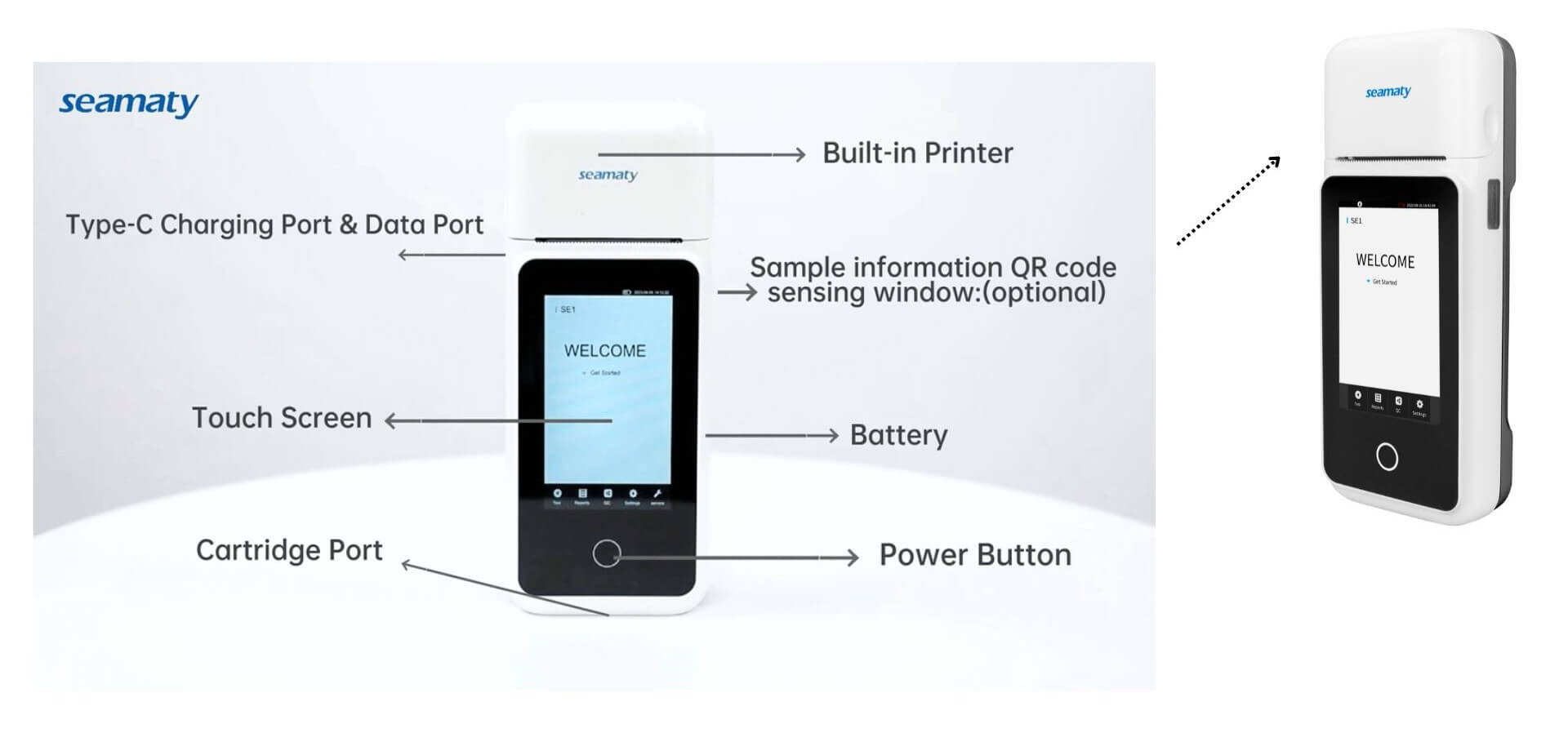
Now, let's talk about the future with the SE1 handheld electrolyte analyzer made by Seamaty. This little gadget is made to make patients better in all sorts of places, like hospitals, clinics, and even doctor's offices. It's small and easy to use, so doctors can check electrolytes right where patients are. No need to send samples anywhere else or wait long times.
It has some really cool stuff:
So, in the end, choosing the right electrolyte analyzer is super important for giving the best care. Hospitals need to think about what kind of tests they need, how big their lab is, and what tools they have. Seamaty's SE1 is like a peek into the future of medicine – it makes things smooth, accurate, and easy for doctors and patients. As medicine keeps moving forward, hospitals need to keep up with the coolest tools to give patients the best care ever.
2024-03-14
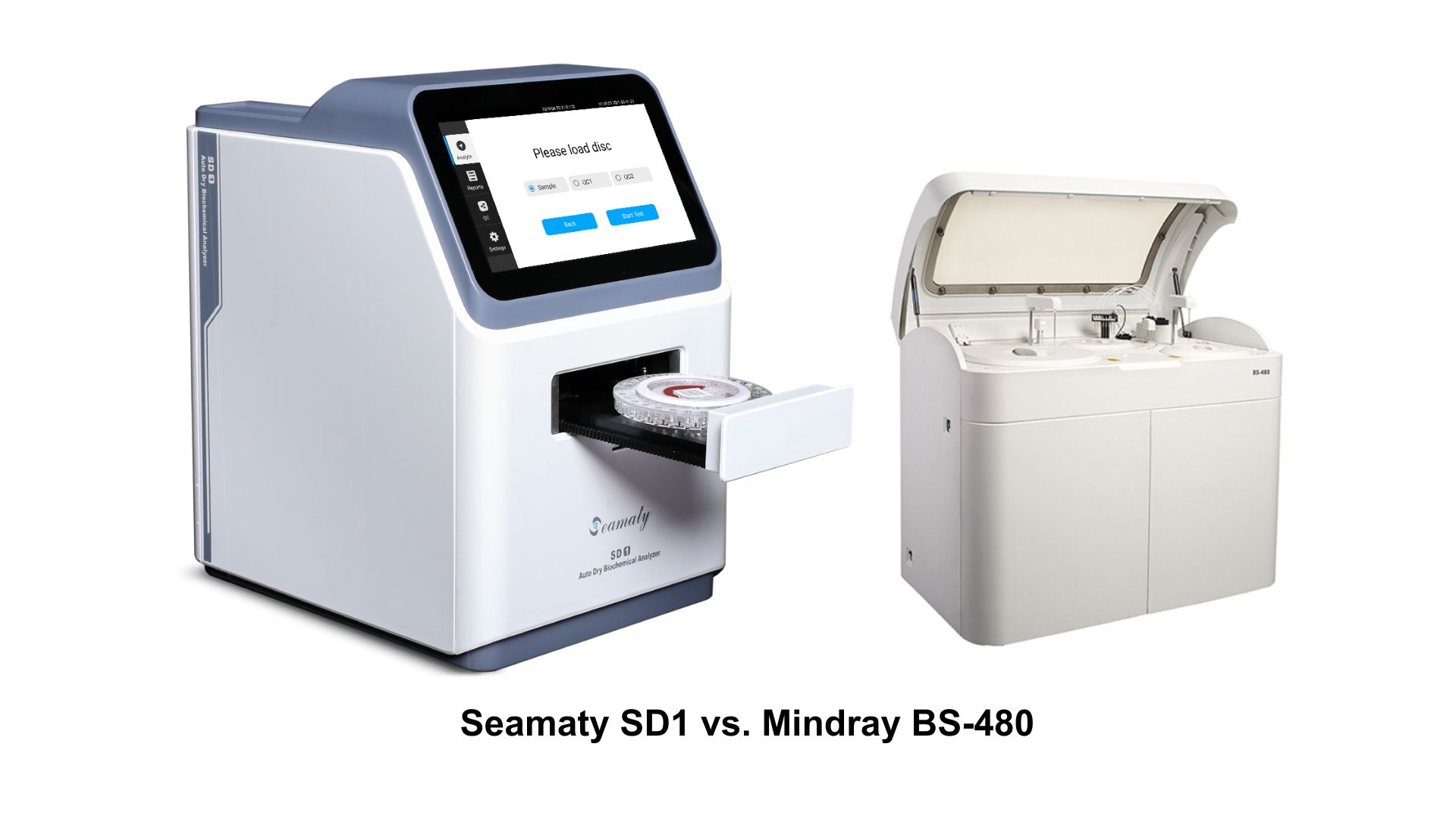
Compare the Mindray BS-480 and Seamaty SD1 chemistry analyzers to choose the perfect solution for your lab. Explore features, performance, and advantages for accurate and efficient medical diagnosis.
2023-08-25
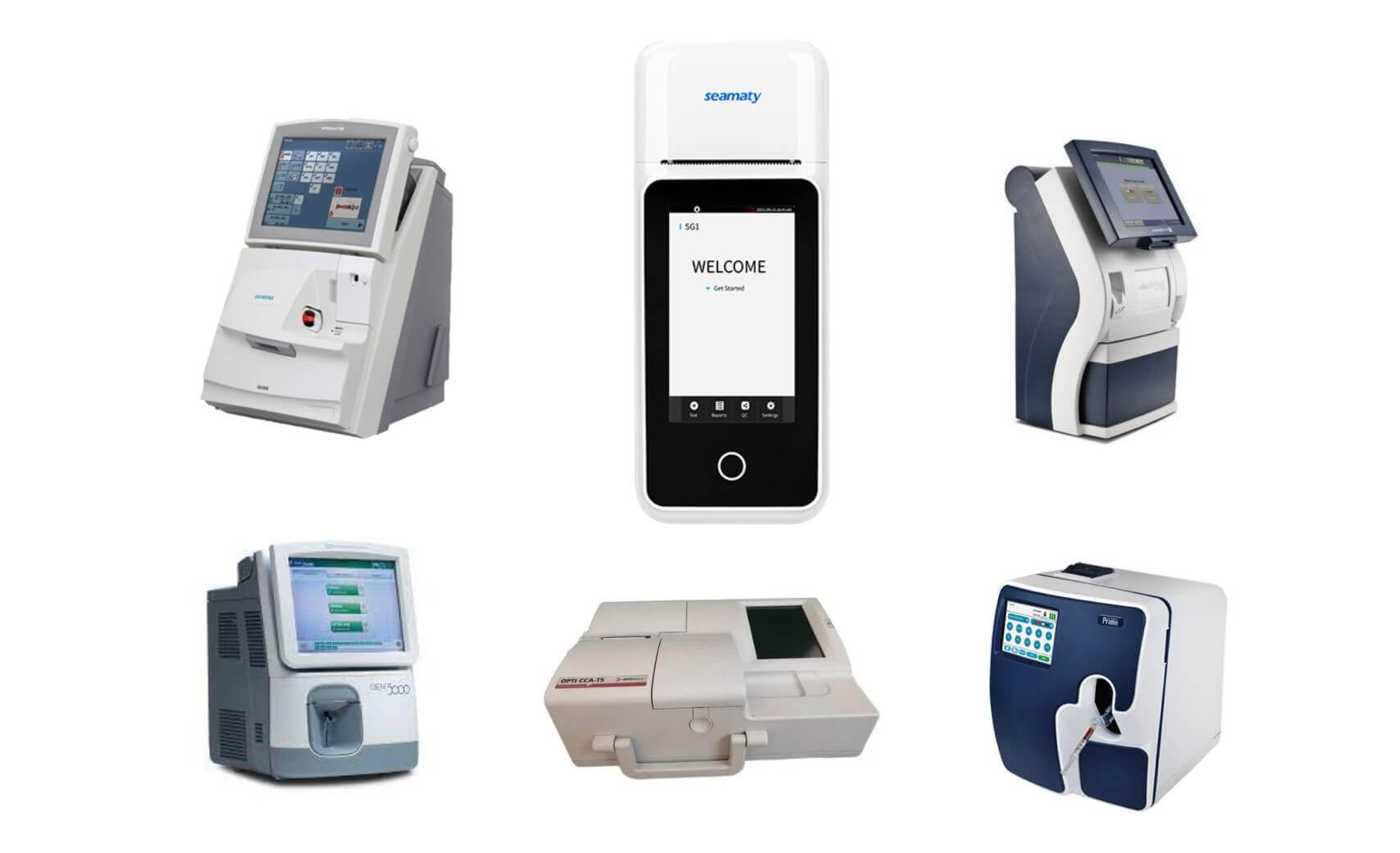
Discover the top 6 blood gas analyzers(BGA) for clinical labs in our comprehensive review. Learn how to choose the right analyzer and explore their vital role in patient care.

2021-10-26
1. Blood collection position. The balance between blood circulation and body fluid circulation is altered when the body position is changed. This may result in changes in the concentration of cellular components and macromolecules in the serum. In humans, serum concentrations of ALP, TG and ALB increase by more than 5 % when the blood sampling position is changed from prone to standing.