release time:2024-04-19 13:56:13
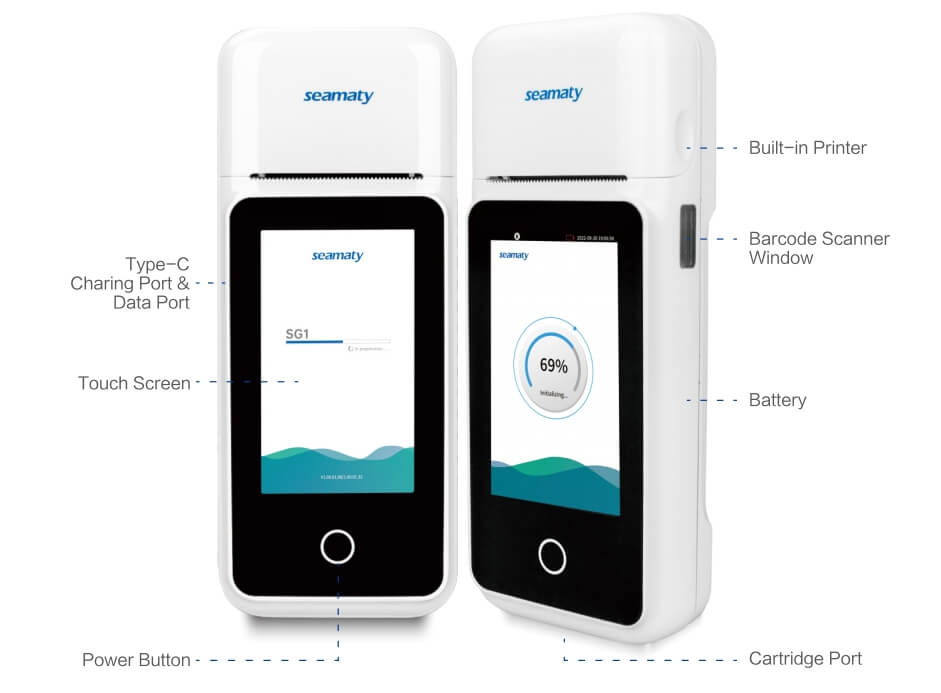
The SG1 Blood Gas Electrolyte Analyzer emerges as a powerful tool for healthcare professionals, offering a portable and efficient solution for point-of-care testing. This article delves into the capabilities of the SG1, exploring the range of parameters it measures, its diverse applications, and the features that make it a valuable asset for modern patient care.
|
Blood gas project |
Electrolyte project |
Metabolic project |
Hematocrit |
Calculated parameters |
|
PH |
Ca++ |
Glu |
Hct |
tCO2* |
|
pCO2 |
K+ |
Lac |
- |
cHgb* |
|
pO2 |
Na+ |
- |
- |
cHCO3-* |
|
- |
Cl- |
- |
- |
BE(ecf)* |
|
- |
- |
- |
- |
BE(b)* |
|
- |
- |
- |
- |
cSO2* |
|
- |
- |
- |
- |
AG* |
SG1 offers a variety of test cartridges, with each cartridge capable of detecting up to 10 parameters to meet the needs of different clinical departments. The specific test cartridge types are:
|
Test Cartridges |
Test Items |
|
BG10 |
pH、pO2、pCO2、K+、Na+、Cl-、Ca2+、Hct、Glu、Lac |
|
BG8 |
pH、pO2、pCO2、K+、Na+、Cl-、Ca2+、Hct |
|
BG7 |
pH、pO2、pCO2、K+、Na+、Ca2+、Cl- |
|
BE4 |
K+、Na+、Cl-、Ca2+ |
|
BG3 |
pH、pO2、pCO2 |
The SG1 Blood Gas Electrolyte Analyzer stands out for its portability, user-friendly operation, and rapid analysis time. By measuring a comprehensive set of blood gas, electrolyte, metabolic, and hematocrit parameters, the SG1 empowers clinicians to make informed decisions quickly across various healthcare departments. From internal medicine and surgery to emergency care and critical care units, the SG1 offers a versatile solution for optimizing patient outcomes. With its long test card shelf life and cost-effective dry test cartridges, the SG1 presents a practical and reliable choice for modern healthcare professionals.
Related further reading:
1. Top 8 Blood Gas and Electrolyte Analyzers in 2024: Brands, Features, Prices
2. Decoding Blood Gas Analyzers(BGA): Selecting, Applications, and Top 6 Picks
3. Handheld Blood Gas Analyzers Comparison: Abbott i-STAT vs. Siemens EPOC vs. Seamaty SG1
4. From Novice to Pro: Mastering the Seamaty SG1 Blood Gas Analyzer
5. Guide to Top 10 Blood Gas Analyzers: Brands, Models, and How to Choose
2024-02-20
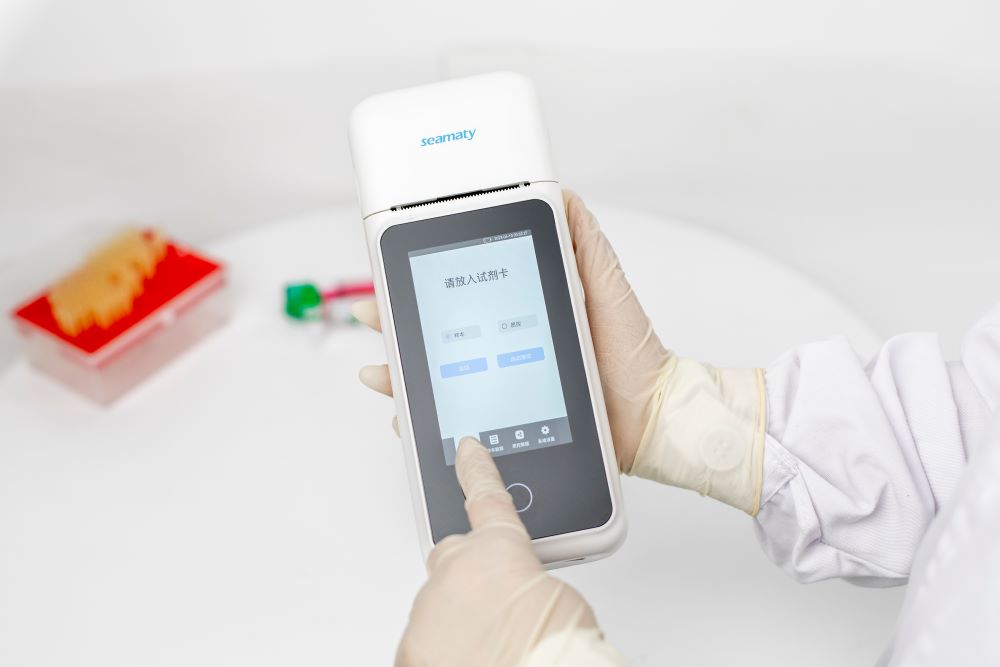
Explore the top 10 blood gas analyzers, including Siemens, Roche, and Abbott. Discover product models, price ranges, and future trends in this comprehensive guide. Make informed choices for healthcare with insights into performance, pricing, and after-sales service.
2022-03-16
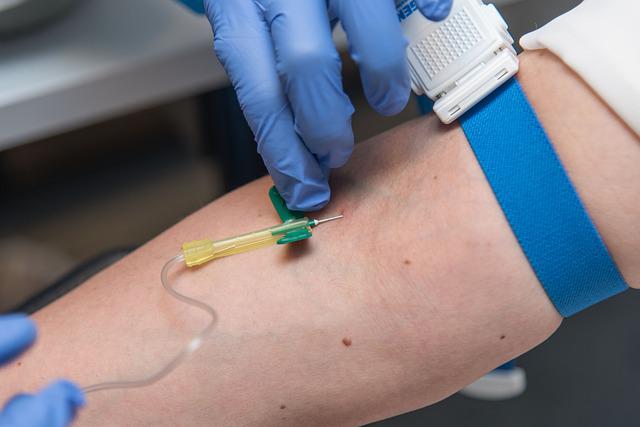
The blood taken for biochemistry cannot be used for routine blood tests, coagulation, tumour indicators, hepatitis B or HIV. For these items, a separate blood draw is required
2021-12-10
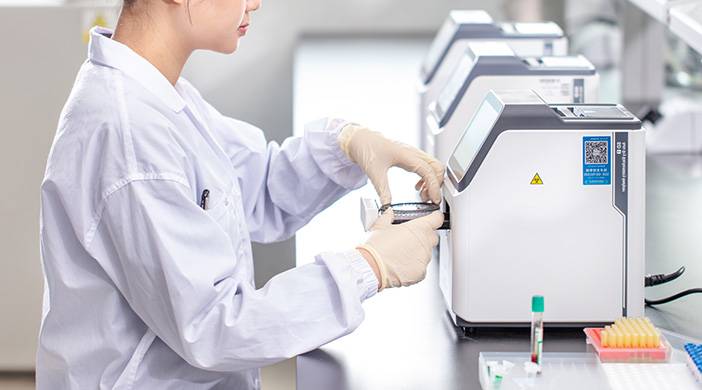
POCT is a specific test for each patient with different diseases. It meets the needs of patients in a timely manner and reduces unnecessary waste. The examiner can communicate with the patient face-to-face and have a better understanding of the clinical situation.