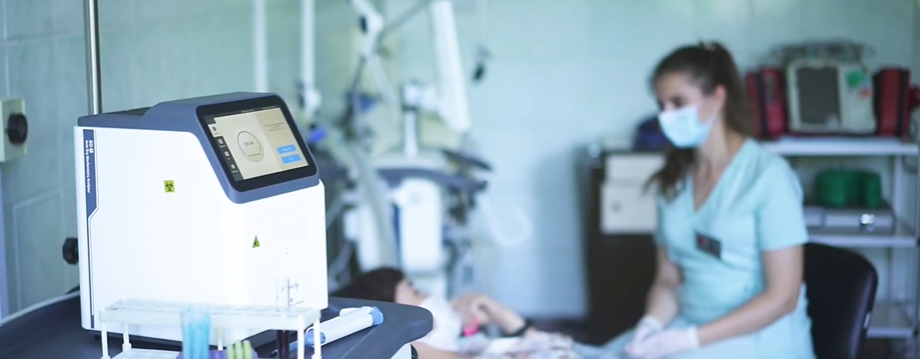
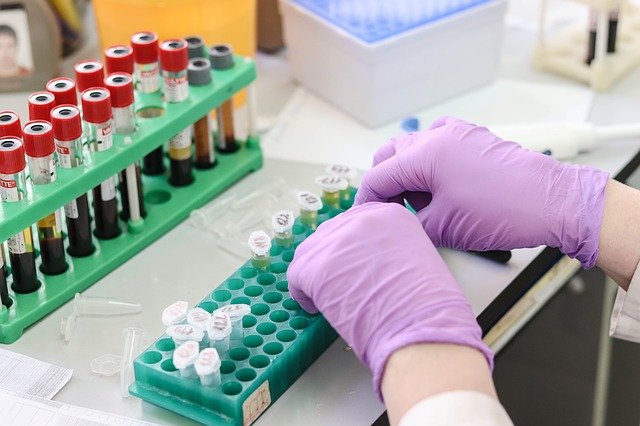
Chemiluminescence immunoassay technique
Chemiluminescence immunoassay (CLIA) is a combination of highly sensitive chemiluminescence measurement technology and highly specific immunoassay for the detection and analysis of various antigens, semi-antigens, antibodies, hormones, enzymes, fatty acids, vitamins and drugs.
Chemiluminescence immunoassay is one of the latest immunoassay techniques developed after radioimmunoassay, enzyme immunoassay, fluorescence immunoassay and time-resolved fluorescence immunoassay.
CLIA was first reported by Arakawe in the mid-1970s and has since become a mature and advanced technique for the detection of ultra-micro-active substances with a wide range of applications.
Chemiluminescence immunoassay technology has developed rapidly in the last decade and is currently the fastest growing and most widely used immunoassay method and the most advanced labeled immunoassay technique. The sensitivity and accuracy of chemiluminescence immunoassay is several orders of magnitude higher than enzyme immunoassay and fluorescence method. It can completely replace radioimmunoassay. And it completely eliminates enzyme immunoassay.
Chemiluminescence immunoassay analyzer mainly has the advantages of high sensitivity, high specificity, low price of reagents, stable reagents and validity (6-18 months), stable and rapid method, wide detection range, simple operation and high degree of automation.
High-sensitivity chemiluminescence detection technology is recognized by the majority of researchers and is gradually replacing the traditional biological detection technology.
Chemiluminescence and radioimmunoassay
Chemiluminescence and radioimmunoassays are recognized as the most accurate and mature methods for the detection of tumor markers and various hormones.
The principles, techniques and methods of both have been well established and are used in major hospitals abroad for tumor detection and hormone testing. The reagents and instruments for both have been approved by the FDA and the FDA in China.
However, although the radioimmunoassay has high sensitivity, there are problems of radioactive protection and isotope contamination. Moreover, the reagents for radioimmunoassay are expensive and have a shelf life of only one month, which makes it difficult to popularize in primary care institutions.
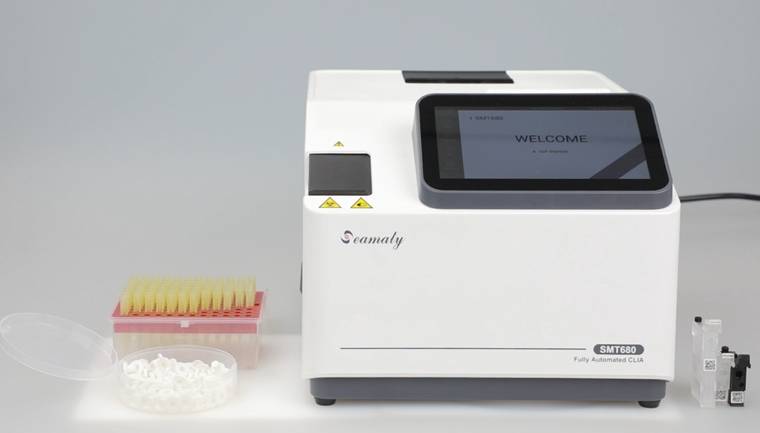
The
chemiluminescent immunoassay analyzer inherits all the advantages of radioimmunoassay. At the same time, it overcomes the disadvantages of radioimmunoassay and enzyme immunoassay respectively. The chemiluminescent immunoassay analyzer is the most ideal new method for clinical immunoassay. It is certain that it will replace radioimmunoassay and enzyme immunoassay as the most ideal new technology for clinical immunoassay.
The application of chemiluminescence detection technology
Chemiluminescence detection technology in environmental protection, food safety, metallurgy, pharmaceuticals and other fields also have a wide range of application prospects. For example, in the field of environmental protection of heavy metals, pesticide residues, organic pollutants in water detection.
In addition,
chemiluminescence diagnostic reagents can be widely used in infectious diseases, obesity and related diseases, endocrine system, genetic diseases, early diagnosis of tumors, etc. It can also be applied to many fields such as environmental monitoring, criminal investigation, customs inspection, animal and plant inspection and quarantine.
It can be said that the more types of kits developed, the wider the range of chemiluminescence immunoassay instruments used.