release time:2021-09-09 10:41:04
Wet chemistry is the ordinary chemical reaction. It is a chemical reaction that occurs when a liquid reagent and a sample are added to a reaction vessel and mixed. Dry chemistry is only relative to wet chemistry. It is actually a chemical reaction that also takes place under humid conditions.
Comparison of test results between dry and wet biochemical analyzers
According to the existing research, the R (correlation coefficient) of all analytical items of the two methods is greater than 0.93, and the correlation test P<0.05. The statistical results show that the analytical results of the two instruments are well correlated. Both methods can meet the needs of clinical testing.
As a POCT medical device supplier, Seamaty has been focusing on portable dry biochemistry analyzer research for many years. SD1 and SMT-120 dry biochemistry analyzers have been sold to more than 80 countries and regions worldwide. Welcome to contact us: contact@seamaty.com
2023-05-30
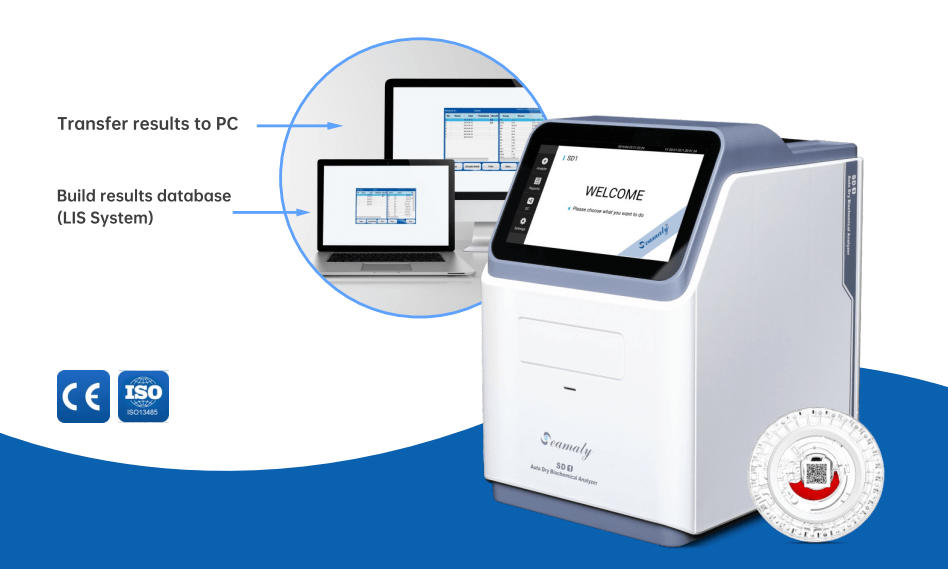
Discover what is dry chemistry analyzer and its advantages. And how the Seamaty SD1 dry chemistry analyzer revolutionizes point-of-care testing. Enhance workflow efficiency, improve patient care, and achieve cost-effectiveness in medical diagnostics.
2022-02-22
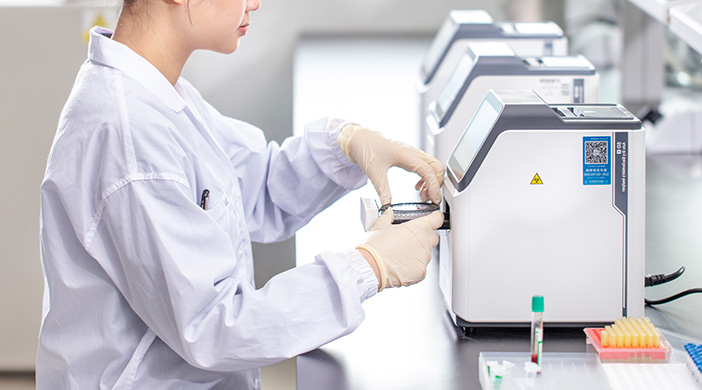
Compared to conventional biochemical devices, blood gas analysis has the advantage of being easy and fast to perform and uses less blood.
2021-11-11
We can simply understand POCT equipment as a new type of convenient medical equipment for examination. Its biggest characteristic is "small, fast, non-professional operation". It can be convenient for patients and reduce the time for patients to confirm the diagnosis. At the same time, POCT equipment has the function of continuous use to monitor the condition. For example, heart disease patients can quickly understand and control their condition by testing at certain intervals.